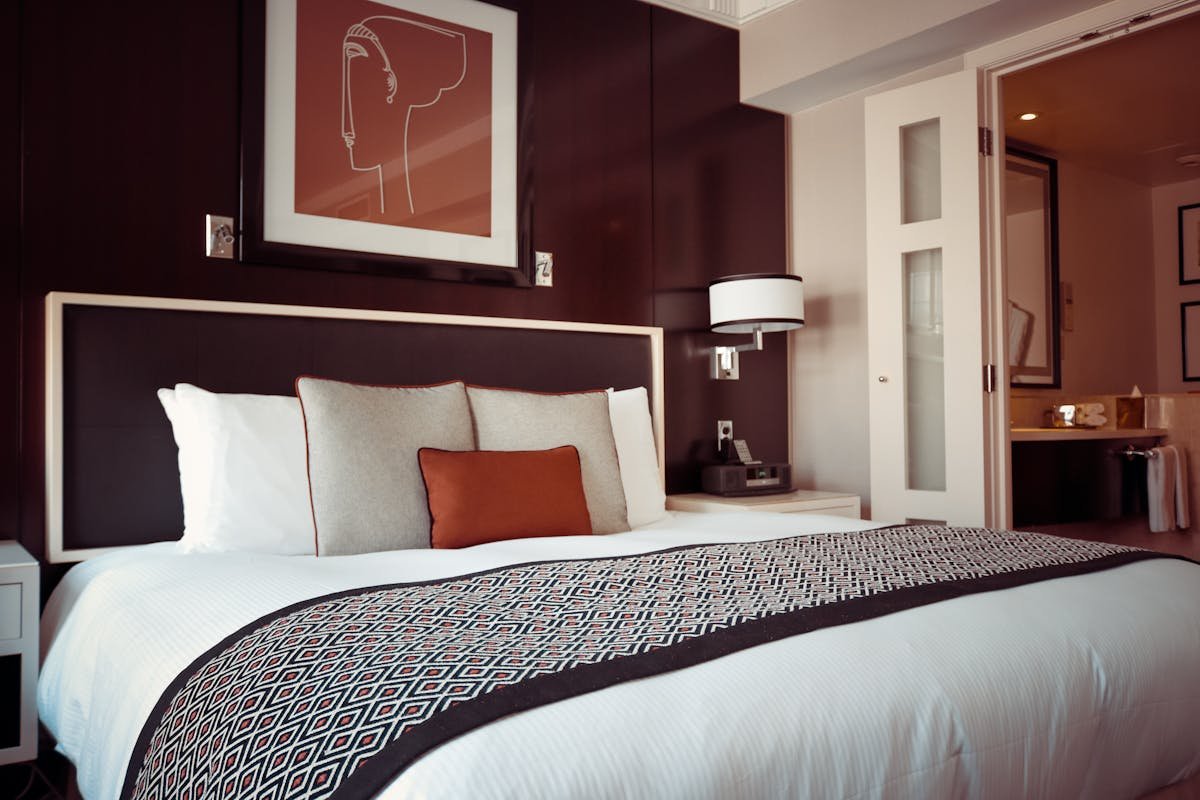
- Best Overall: Saatva Classic ★★★★★ — Luxury hybrid with three firmness options.
- Best for Side Sleepers: Helix Midnight ★★★★½ — Hybrid construction with targeted pressure relief at shoulders and hips.
- Best Value: Nectar ★★★★½ — Memory foam with a 365-night trial and lifetime warranty.
Affiliate Disclosure: Catch Z's may earn a commission when you click links on this page, at no extra cost to you.
Bruxism, or nocturnal teeth grinding, affects about 8-10 percent of adults. It causes jaw pain, headaches, tooth damage, and disrupted sleep. Causes are varied: stress, sleep apnea, lifestyle factors, medications. Here is what causes it and the proven solutions.
Signs you grind your teeth
- Morning jaw pain or stiffness
- Headaches, especially temple pain
- Worn, flat, or chipped tooth surfaces
- Increased tooth sensitivity
- Sleep partner reports grinding sounds
- Earaches without ear problems
- Disrupted sleep without obvious cause
What causes bruxism
Stress and anxiety: The most common cause. Cortisol and tension trigger jaw clenching during sleep.
Sleep apnea: Bruxism is strongly linked. The body grinds in response to airway obstruction events. See sleep apnea signs.
Caffeine and alcohol: Both worsen grinding. Especially evening intake.
Smoking: Nicotine is a stimulant. Linked to higher bruxism rates.
Certain medications: SSRIs (antidepressants), Adderall, and other stimulants can trigger grinding.
Malocclusion: Misaligned bite. Can be addressed with orthodontics or dental work.
Solutions ranked by effectiveness
| Solution | Effectiveness | Cost |
| Custom dental night guard | Best | 300-800 (often covered by dental insurance) |
| Mail-in custom night guard | Very good | 125-200 |
| OTC boil-and-bite night guard | Good for mild | 25-65 |
| Stress management or therapy | Addresses root cause | Varies |
| Botox in masseter | Effective for severe | 500-1,000/session |
| Address sleep apnea | Critical if apnea is the cause | See doctor |
OTC vs custom night guards
OTC guards (25-65 dollars) are fine for occasional or mild grinders. Custom guards (mail-in 125-200 or dental 300-800) are required for moderate to severe grinders. See night guard comparisons.
Lifestyle changes that help
Cut caffeine after 2pm. Limit alcohol, especially evening. Manage stress (meditation, exercise, therapy). Address jaw tension with daytime awareness. Maintain consistent sleep schedule.
When to see a doctor
If grinding is causing tooth damage, persistent headaches, jaw pain affecting daily function, or if you suspect sleep apnea is involved. A dentist can prescribe a custom night guard and refer you to a sleep specialist if needed.
Related
- Best Night Guards
- Signs of Sleep Apnea
- Sleep and Anxiety
- Best Pillows for Side Sleepers
Our Top 3 Mattresses
Independently researched, ranked by who they’re actually best for.
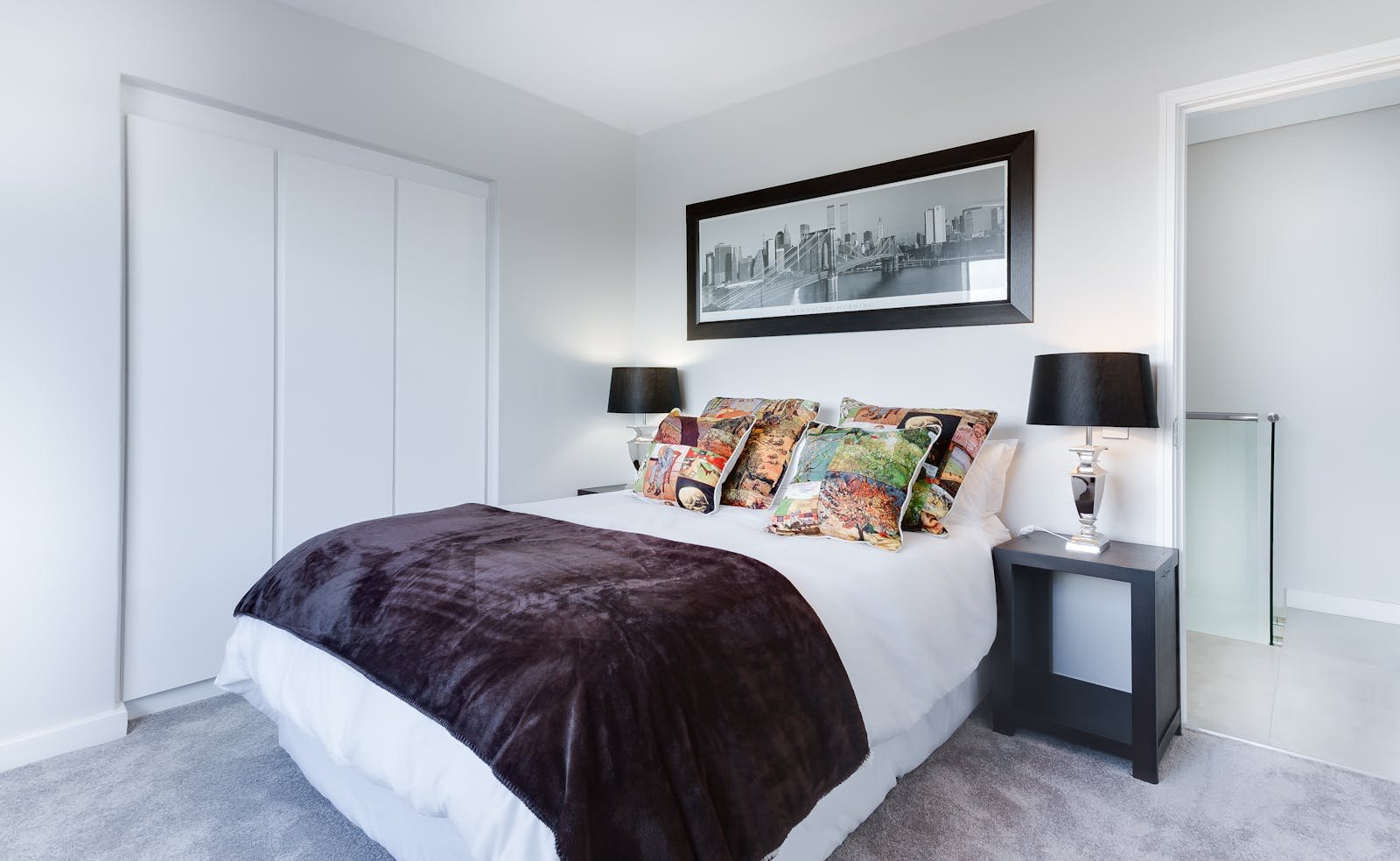
Saatva Classic
Luxury hybrid with three firmness options. The most consistently recommended premium pick.
Check Current Price
Helix Midnight
Hybrid construction with targeted pressure relief at shoulders and hips.
Check Current Price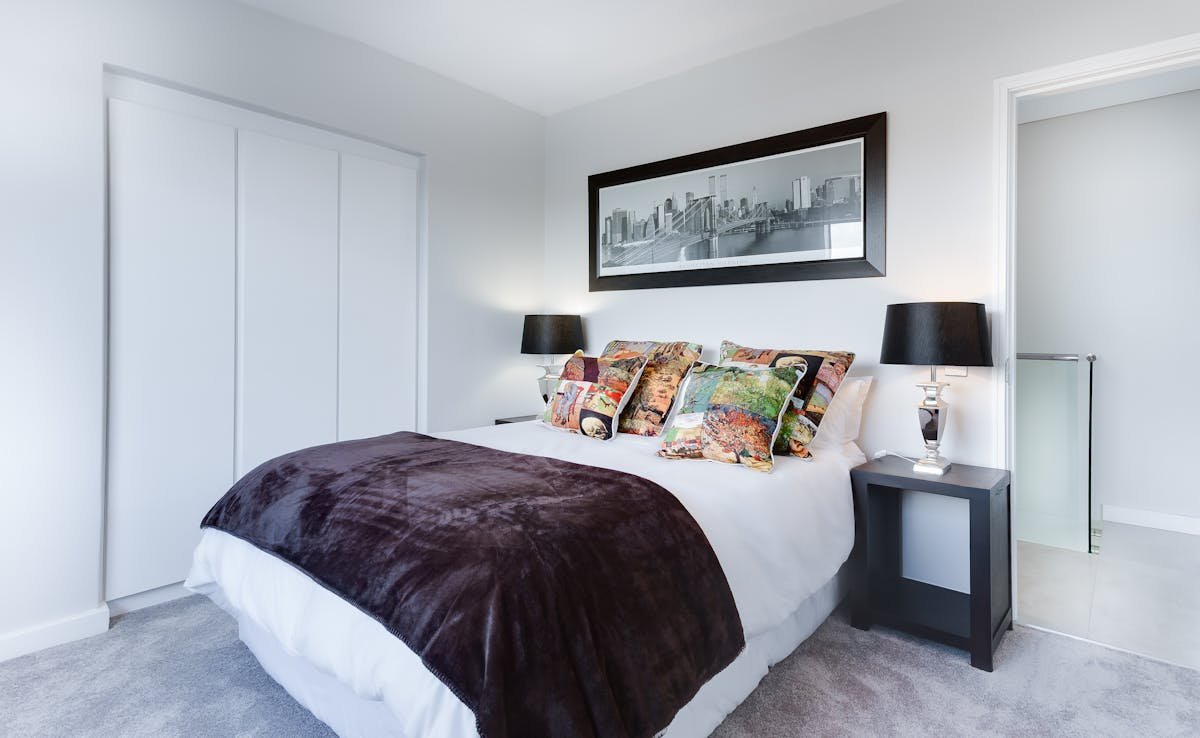
Nectar
Memory foam with a 365-night trial and lifetime warranty. Hardest to beat under $1,000.
Check Current PriceRelated Guides
- Screen Time Before Bed: How Phones Wreck Your Sleep
- Best Bed Cooling Systems 2026: Active Cooling for Hot Sleepers
- Best Night Guards for Teeth Grinding 2026: Bruxism Solutions
Sleep Essentials We Recommend

yescool Weighted Blanket for Adults (20 lbs, 60” x 80”, Grey) Cooling Heavy Blanket for Sleeping Perfect for 190-210 lbs, Queen Size Breathable Blanket with Premium Glass Bead, Machine Washable
- 🌙【CHOOSE RIGHT SIZE】: Weighted blanket which owns 10% of your body weight is recommended. 20 lb weighted blanket queen size is perfect for adult 190-210 lbs, also fit couple, you can use it in you queen size bed.
- 🌙【JUST ON TOP OF MATTRESS】: Yescool weighted blankets for adults keep you sleeping all night. We recommend a queen size blanket for single use. Due to enough weight, the weighted blanket queen size (60”x 80”) will fit your body very well, which means it just fits on top of the mattress of your queen-size bed, 📌WITHOUT OVERHANGING📌, and may make you think it is smaller.
- 🌙【TIGHTLY STITCHING&DURABILE】: Our weighted blanket for women&man composed of 5″x5″ small enough compartments stitched by high-density 15000 stitches to tightly make glass beads stay put in the square all the time to bring you a more durable weighted blanket with no glass beads leakage.
List Price :
Offer: 39.99 $
Go to Amazon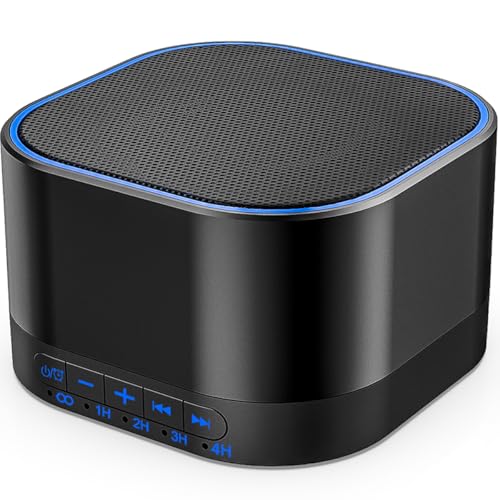
Magicteam Sound White Noise Machine with 20 Non Looping Natural Soothing Sounds and Memory Function 32 Levels of Volume Powered by AC or USB and Sleep Sound Timer Therapy for Baby Kids Adults
- ❤Notice: This sound machine needs to be plugged in for use.
- ❤20 Non-Looping Sleep Sounds: White noise ,Brown noise, pink noise, blue noise, fan,brook, rain, ocean,bird and Bonfire,suitable for for Baby and Kids and Adults.
- ❤Precise Volume & Timer Settings:With 32 Levels of Volume ,it is perfect for baby sleeping .And you can set 1 hour,2 hours,3 hours,4 hours and continuous play,control the comfort level for your own environment.
New starting from: 22.99 $
Go to Amazon
MZOO Luxury Sleep Eye Mask for Side Sleeper Men Women, Zero Eye Pressure 3D Sleeping Mask, Light Blocking Patented Design Night Blindfold, Soft Eye Shade Cover for Travel, Black
- Zero Eye Pressure: The Deepest 13mm arc-shaped widened eye cups provide makeup-safe space and allow natural blinking
- Great for Side Sleepers: Upgraded 15°-curved thin sides ensure smooth transitions with no uncomfortable bulge, minimizing temple pressure for all sleeping positions
- 100% Light Blocking: Patented contoured eye cups seal completely around each eye. Deep 22mm nose padding blocks all light leakage
List Price :
Offer: 17.98 $
Go to Amazon
Weekender Cooling Gel Memory Foam Pillow for Sleeping – Standard Size, Ventilated Cooling Pillow for Side & Back Sleepers, Neck & Shoulder Support, Medium Firm, Washable Cover
- COOLING GEL PILLOW WITH DUAL TEMPERATURE CONTROL: Gel-infused memory foam plus precision ventilation holes continuously pull heat away from your body, so this cooling pillow stays more comfortable all night than traditional foam bed pillows for sleeping.
- MEMORY FOAM SUPPORT FOR SIDE, BACK & STOMACH SLEEPERS: Medium-firm memory foam contours to your head, neck, and shoulders to relieve pressure points and support spinal alignment; ideal for side sleeper pillows, back sleepers, and stomach sleepers.
- MACHINE WASHABLE COVER – EASY BEDROOM ESSENTIAL: Soft zippered polyester cover is easy to remove and fully machine washable and dryer safe; it’s a supportive, washable pillow that keeps your bedroom fresh without extra effort.
New starting from: 29.99 $
Go to Amazon