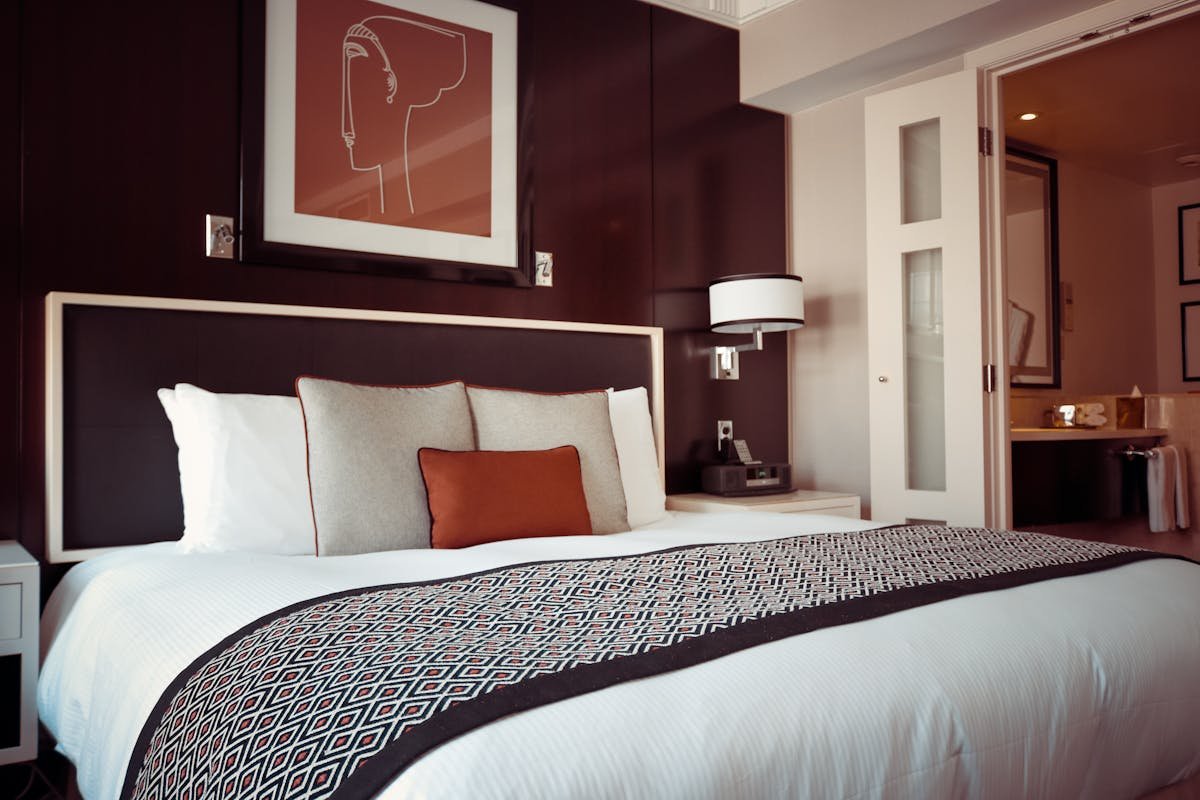
- Best Overall: Saatva Classic ★★★★★ — Luxury hybrid with three firmness options.
- Best for Side Sleepers: Helix Midnight ★★★★½ — Hybrid construction with targeted pressure relief at shoulders and hips.
- Best Value: Nectar ★★★★½ — Memory foam with a 365-night trial and lifetime warranty.
If you’ve spent any time mattress shopping, you’ve probably hit the same wall most people do: memory foam vs hybrid mattress — which one should you actually buy? The answer isn’t “the better one,” because both can be excellent. It’s “the one that matches your sleep style, your sleep partner, and your bedroom climate.”
I’ve tested mattresses in both categories for years — premium foam beds like the Nectar Premier and Tempur-Pedic, premium hybrids like Saatva and DreamCloud, and dozens of mid-tier picks in between. Both types can be genuinely great. They just feel different, sleep different, and fit different sleepers.
This guide breaks down the real differences between memory foam and hybrid mattresses — not the marketing claims, but what actually matters when you’re sleeping on the bed every night for the next decade. By the end, you’ll know which type fits you.
|
Affiliate disclosure: Catch Z’s is reader-supported. We earn a commission when you buy through our links — at no cost to you. Every mattress mentioned in this guide was tested in person. |
|
TL;DR — Memory Foam vs Hybrid Pick memory foam if: you sleep alone or with a still partner, you love the deep contouring hug, you’re a strict side sleeper, or you live somewhere cold. Top pick: Check current price at Nectar → Pick hybrid if: you sleep with a partner who shifts a lot, you sleep hot, you’re a combo sleeper, you need strong edge support, or you weigh over 230 pounds. Top pick: Check current price at DreamCloud → Quick verdict: Hybrid is the safer default for most sleepers in 2026 — better cooling, better edge support, more responsive. Memory foam wins on motion isolation, deep pressure relief, and price. |
What’s the Difference Between Memory Foam and Hybrid?
The construction is the entire difference, and it drives everything else. A memory foam mattress is built entirely from foam — usually a base of high-density support foam, a transition layer, and a top layer of contouring memory foam. Some include cooling gel infusions, phase-change covers, or copper additives, but it’s foam all the way through.
A hybrid mattress combines foam comfort layers with a base layer of individually wrapped pocketed coils — the same kind of coils used in traditional innerspring mattresses, but isolated from each other so they move independently. The coils give the bed its support and airflow; the foam on top gives it contour and pressure relief.
That single construction difference creates almost every other meaningful difference between the two types: how they feel when you lie down, how they sleep through the night, who they’re best suited for, and how long they last.
How They Feel: Memory Foam vs Hybrid
Memory foam has a distinctive feel that fans love and skeptics hate: a slow, deep contour where the bed seems to mold itself to your body. Press your hand into a memory foam bed and you can watch the impression slowly fill back in over a few seconds. Lie down and you’ll feel yourself settling into the bed for the first 30 seconds before the foam fully cradles you.
Hybrid has a more responsive, bouncier feel. The coils push back when you press into them, so you sit on the bed instead of in it. The foam comfort layer gives you contour at the surface, but you don’t get the deep sink that defines memory foam. Roll over on a hybrid and you don’t have to fight the foam — the coils help reposition you.
Neither feel is objectively better. It’s a preference. If you’ve slept on memory foam before and loved the hug, foam is probably your answer. If you’ve slept on it and felt stuck or trapped, hybrid is your answer. (For specific picks, see our best mattresses 2026 roundup.)
Cooling: Hybrid Wins (Mostly)
This is the area where hybrid has the clearest advantage in the memory foam vs hybrid debate. Coils create airflow underneath you. Body heat moves through the foam comfort layer, into the coil layer, and dissipates out — instead of getting trapped against your skin the way it does in a pure foam bed.
Memory foam has historically been notorious for sleeping hot. Modern memory foam mattresses fight this with cooling gel infusions, phase-change covers, copper or graphite additives, and open-cell foam structures (like Amerisleep’s Bio-Pur). The good ones (Nectar Premier, Amerisleep AS3) sleep significantly cooler than 2010-era memory foam. But even the best memory foam still runs warmer than a hybrid with the same cooling tech.
If you sleep hot, hybrid is the safer default. If you live in a cold climate or like the warmth of memory foam, foam can be a feature instead of a bug. (For dedicated cooling picks, see our best cooling mattress roundup.)
Motion Isolation: Memory Foam Wins
This is the area where memory foam is genuinely unbeatable. The slow-contouring foam absorbs movement instead of transmitting it across the bed. Drop a bowling ball on one side of a memory foam mattress, and the other side barely moves. If you sleep with a partner who tosses, gets up at 5am for the gym, or has restless legs, memory foam will isolate that motion better than any hybrid.
Hybrids are getting better at motion isolation as pocketed coils have replaced traditional Bonnell coils — the wrapped construction means each coil moves independently, so movement on one side doesn’t ripple across to the other. The best hybrids (like the DreamCloud Premier) have near-foam-level motion isolation. But the absolute best memory foam beds still beat the absolute best hybrids on this metric.
If your partner’s movement keeps waking you up, memory foam is the right choice. If you sleep alone or with a still partner, motion isolation is essentially a non-issue and hybrid’s advantages dominate.
Edge Support: Hybrid Wins
Sit on the edge of a memory foam mattress and you’ll sink. Sit on the edge of a hybrid with reinforced perimeter coils and the bed holds firm. This matters more than people realize — for couples who actually use the full surface area of a queen mattress, weak edge support effectively shrinks your usable real estate.
Hybrids almost universally beat foam on edge support. The coils give the perimeter rigid structure that foam can’t match. This is also relevant when you’re sitting on the edge to put on shoes, sleeping with a kid or pet who pushes you to the edge, or have mobility issues that make getting in and out of bed easier with firm edges.
Pressure Relief and Sleep Position
Memory foam wins on deep pressure relief. The slow-contouring foam molds around your shoulder, hip, and other pressure points, distributing weight across more surface area than a firmer hybrid can manage. For strict side sleepers and lighter sleepers, this is often the deciding factor.
Hybrids deliver pressure relief through their comfort layer (which is usually memory foam or a similar contouring material), but they can’t quite match the depth of a pure memory foam bed. The trade-off is that hybrids are usually better for combo sleepers — the responsiveness makes it easier to change positions during the night without feeling stuck.
Strict side sleepers often do better on memory foam (deep contouring helps with shoulder pressure). Back and stomach sleepers usually prefer hybrid (firmer support, less hip-sink). Combo sleepers go either way, but hybrid is the slightly safer pick. We covered side-sleeper specifics in our best mattress for side sleepers guide.
Side-by-Side Comparison
|
Feature |
Memory Foam |
Hybrid |
|---|---|---|
|
Construction |
All foam, no coils |
Coils + foam comfort layer |
|
Feel |
Slow contour, deep hug |
Bouncy, responsive |
|
Cooling |
Warmer (foam traps heat) |
Cooler (coil airflow) |
|
Motion isolation |
Excellent — best in class |
Good (varies by model) |
|
Edge support |
Decent (varies) |
Excellent — reinforced perimeter |
|
Pressure relief |
Excellent — deep contouring |
Good (depends on comfort layer) |
|
Responsiveness |
Slow (sink-in feel) |
Fast (easy to roll over) |
|
Best sleep position |
Side, back |
Back, combo, all positions |
|
Lifespan |
7–9 years |
8–10 years |
|
Price (Queen) |
$700–$1,500 |
$1,000–$2,500 |
Which Type Lasts Longer?
Hybrids have a slight longevity edge. The coil layer is structurally durable — coils don’t break down the way foam can — and modern hybrid construction typically lasts 8–10 years before meaningful sagging. Memory foam mattresses, depending on foam density, last 7–9 years. The gap is small, but it’s real.
The bigger longevity factor is foam density (in both types). High-density support foams (1.8 lb/cu ft or higher) last much longer than low-density foams. Cheap mattresses of either type — built with low-density foams to hit lower price points — break down faster. The picks in our guides all use high-density foams, which is part of why they earn their place.
Which Type Costs More?
Hybrids generally cost more than memory foam mattresses at every quality tier, because the coil construction is more expensive to manufacture. A budget memory foam queen runs $400–$700; a budget hybrid runs $700–$1,000. A premium memory foam queen runs $1,000–$1,800; a premium hybrid runs $1,500–$2,500.
The price gap is the main reason memory foam wins on value. If your budget is the deciding factor, you’ll get more comfort and longevity per dollar from memory foam at the budget tier. (For affordable picks, see our best mattress under $1000 guide.)
Frequently Asked Questions
Which is better, memory foam or hybrid?
Neither is objectively better — they’re built for different sleepers. Memory foam wins on motion isolation, deep pressure relief, and price. Hybrid wins on cooling, edge support, responsiveness, and longevity. For most modern sleepers in 2026, hybrid is the safer default. For strict side sleepers or memory foam loyalists, foam is the better pick.
Are hybrid mattresses worth the extra money?
Often yes, especially if you sleep hot, share a bed with a partner who shifts, or sleep on the edge of the mattress. The cooling and edge support advantages of hybrid are meaningful, and the slightly longer lifespan helps offset the price premium. If you’re a strict side sleeper or you love the memory foam hug, the extra money for hybrid is wasted.
Do hybrid mattresses sleep cooler than memory foam?
Yes, almost universally. The pocketed coil layer in a hybrid creates airflow that lets body heat dissipate downward and out, instead of being trapped against your skin by foam. Modern memory foam beds with cooling tech (like the Nectar Premier or Amerisleep AS3) sleep cooler than older foam beds, but they still run warmer than hybrids on average.
Is memory foam bad for your back?
Not necessarily — but a memory foam bed that’s too soft for your body weight can be. If you sink past the support layer, your spine curves into a U-shape and you wake up sore. The fix is matching firmness to your weight: lighter sleepers can use softer foam, heavier sleepers need firmer foam (or hybrid construction with stronger underlying support).
Can you put memory foam on top of a hybrid?
Yes, with a memory foam mattress topper. This is a common combo for sleepers who like the responsiveness of hybrid construction but want a deeper memory foam contour up top. A 2–3 inch memory foam topper adds the hug without losing the underlying coil support.
Which is best for couples — memory foam or hybrid?
Hybrid is usually best for couples, thanks to better edge support (more usable mattress real estate) and the cooler sleeping temperature (which matters when two bodies are generating heat). Memory foam wins on motion isolation, but premium hybrids close that gap enough that the trade-off favors hybrid for most couples. The DreamCloud Premier is a top pick here.
The Bottom Line
If you only remember one thing from this memory foam vs hybrid breakdown: pick the construction that matches how you actually sleep, not the one that sounds cooler in marketing. Hybrid is the right default for most modern sleepers — couples, hot sleepers, combo sleepers, edge sleepers. Memory foam is the right pick for strict side sleepers, motion-sensitive partners, and budget shoppers.
Both categories have great options at every price point. Don’t get talked into one type by a brand or a friend — pick based on your sleep profile, your partner, and your bedroom climate. (For specific picks in both categories, see our best mattresses 2026 roundup.)
Top hybrid pick: Check current price at DreamCloud → — best hybrid for couples and hot sleepers.
Top memory foam pick: Check current price at Nectar → — best memory foam value in 2026.
Our Top 3 Mattresses
Independently researched, ranked by who they’re actually best for.

Saatva Classic
Luxury hybrid with three firmness options. The most consistently recommended premium pick.
Check Current Price
Helix Midnight
Hybrid construction with targeted pressure relief at shoulders and hips.
Check Current Price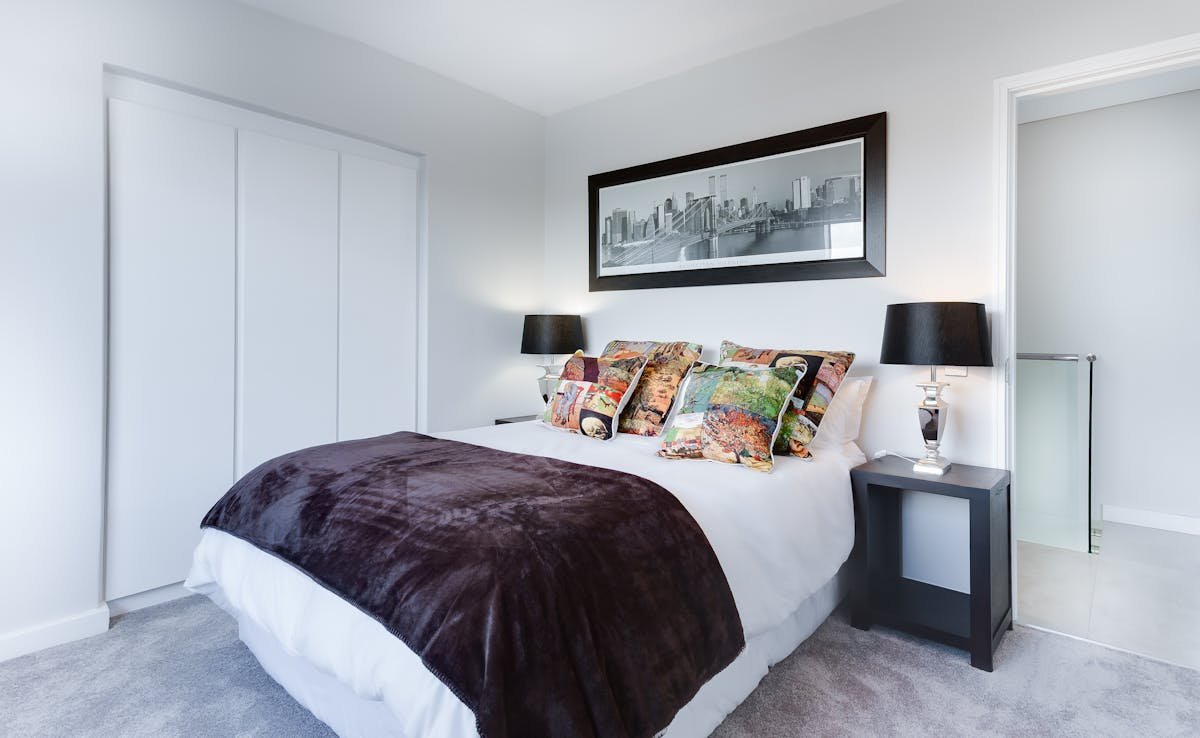
Nectar
Memory foam with a 365-night trial and lifetime warranty.
Check Current PriceRelated Guides
- Best Labor Day Mattress & Sleep Deals to Watch (June 23-26, 2026)
- Glacier Original vs Summit vs Apex: Which Glacier Mattress Should You Buy in 2026?
- Glacier Apex Hybrid Review 2026: The Brand’s Flagship Cooling Mattress
Sleep Essentials We Recommend

yescool Weighted Blanket for Adults (20 lbs, 60” x 80”, Grey) Cooling Heavy Blanket for Sleeping Perfect for 190-210 lbs, Queen Size Breathable Blanket with Premium Glass Bead, Machine Washable
- 🌙【CHOOSE RIGHT SIZE】: Weighted blanket which owns 10% of your body weight is recommended. 20 lb weighted blanket queen size is perfect for adult 190-210 lbs, also fit couple, you can use it in you queen size bed.
- 🌙【JUST ON TOP OF MATTRESS】: Yescool weighted blankets for adults keep you sleeping all night. We recommend a queen size blanket for single use. Due to enough weight, the weighted blanket queen size (60”x 80”) will fit your body very well, which means it just fits on top of the mattress of your queen-size bed, 📌WITHOUT OVERHANGING📌, and may make you think it is smaller.
- 🌙【TIGHTLY STITCHING&DURABILE】: Our weighted blanket for women&man composed of 5″x5″ small enough compartments stitched by high-density 15000 stitches to tightly make glass beads stay put in the square all the time to bring you a more durable weighted blanket with no glass beads leakage.
List Price :
Offer: 39.99 $
Go to Amazon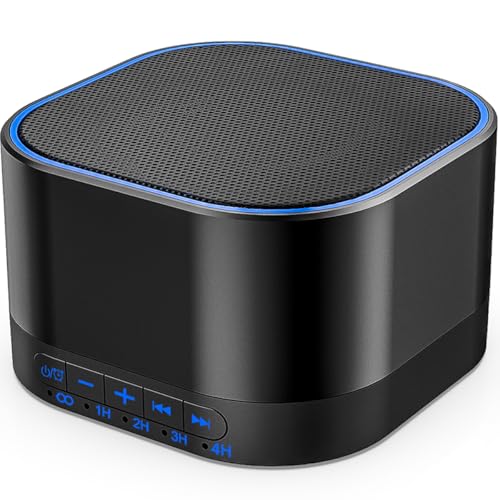
Magicteam Sound White Noise Machine with 20 Non Looping Natural Soothing Sounds and Memory Function 32 Levels of Volume Powered by AC or USB and Sleep Sound Timer Therapy for Baby Kids Adults
- ❤Notice: This sound machine needs to be plugged in for use.
- ❤20 Non-Looping Sleep Sounds: White noise ,Brown noise, pink noise, blue noise, fan,brook, rain, ocean,bird and Bonfire,suitable for for Baby and Kids and Adults.
- ❤Precise Volume & Timer Settings:With 32 Levels of Volume ,it is perfect for baby sleeping .And you can set 1 hour,2 hours,3 hours,4 hours and continuous play,control the comfort level for your own environment.
New starting from: 22.99 $
Go to Amazon
MZOO Luxury Sleep Eye Mask for Side Sleeper Men Women, Zero Eye Pressure 3D Sleeping Mask, Light Blocking Patented Design Night Blindfold, Soft Eye Shade Cover for Travel, Black
- Zero Eye Pressure: The Deepest 13mm arc-shaped widened eye cups provide makeup-safe space and allow natural blinking
- Great for Side Sleepers: Upgraded 15°-curved thin sides ensure smooth transitions with no uncomfortable bulge, minimizing temple pressure for all sleeping positions
- 100% Light Blocking: Patented contoured eye cups seal completely around each eye. Deep 22mm nose padding blocks all light leakage
List Price :
Offer: 13.99 $
Go to Amazon
Weekender Cooling Gel Memory Foam Pillow for Sleeping – Standard Size, Ventilated Cooling Pillow for Side & Back Sleepers, Neck & Shoulder Support, Medium Firm, Washable Cover
- COOLING GEL PILLOW WITH DUAL TEMPERATURE CONTROL: Gel-infused memory foam plus precision ventilation holes continuously pull heat away from your body, so this cooling pillow stays more comfortable all night than traditional foam bed pillows for sleeping.
- MEMORY FOAM SUPPORT FOR SIDE, BACK & STOMACH SLEEPERS: Medium-firm memory foam contours to your head, neck, and shoulders to relieve pressure points and support spinal alignment; ideal for side sleeper pillows, back sleepers, and stomach sleepers.
- MACHINE WASHABLE COVER – EASY BEDROOM ESSENTIAL: Soft zippered polyester cover is easy to remove and fully machine washable and dryer safe; it’s a supportive, washable pillow that keeps your bedroom fresh without extra effort.
New starting from: 29.99 $
Go to Amazon