- Best Cocoa Blend: Beam Dream Powder ★★★★★ — Magnesium + melatonin + L-theanine in a warm cocoa drink.
- Best Mushroom Blend: MUD\WTR Rest ★★★★½ — Reishi + chamomile + magnesium in a non-caffeinated nighttime blend.
- Best Magnesium: Magnesium Glycinate (Rest) ★★★★½ — Most bioavailable magnesium form.
If you’ve spent any time researching sleep supplements, you’ve heard about magnesium glycinate for sleep. It’s the most-recommended single sleep supplement among sleep researchers, functional medicine practitioners, and biohackers — and unlike many supplement recommendations, the research actually supports the claims. This guide is the comprehensive answer to whether magnesium glycinate works for sleep, what dose to take, what to look for in a product, and what to expect.
Short version: yes, magnesium glycinate genuinely helps with sleep, and most adults are at least mildly magnesium-deficient. After two years of personal use plus testing several brands, my conclusion is that magnesium glycinate is the highest-value, lowest-risk sleep supplement on the market.
This guide covers the science behind magnesium for sleep, how to dose it correctly, which forms work and which don’t, side effects to watch for, and how to choose a quality product. Important note up front: this is informational, not medical advice. If you have kidney issues, take medications that affect magnesium, are pregnant/nursing, or have any concerns, talk to your doctor before supplementing.
|
Affiliate disclosure: Catch Z’s is reader-supported. We earn a commission when you buy through our links — at no cost to you. Note: this article is informational, not medical advice. Consult your doctor before starting any supplement regimen. |
|
TL;DR — Magnesium Glycinate for Sleep Does it work? Yes — magnesium glycinate has solid research support for improving sleep onset, sleep depth, and reducing nighttime anxiety. Dose: 200–400mg taken 30–60 minutes before bed. Start at 200mg and adjust upward if needed. Best brands: Look for third-party tested (NSF, USP) products from reputable brands like Pure Encapsulations, Thorne, or Doctor’s Best. Check current price at Rest → Bottom line: If you take only one sleep supplement, magnesium glycinate is the right pick. Most adults are mildly deficient, and supplementing helps. |
How Magnesium Helps You Sleep
Magnesium is a mineral involved in over 300 biochemical processes in the body. For sleep specifically, magnesium plays four critical roles. First, it binds to GABA receptors — GABA is the brain’s primary calming neurotransmitter, and magnesium helps GABA work more effectively. This reduces nervous system arousal and makes it easier to fall asleep.
Second, magnesium regulates the production of melatonin, the hormone responsible for circadian timing. Adequate magnesium levels support the body’s natural melatonin rhythm; magnesium deficiency disrupts it. Third, magnesium relaxes muscles by counteracting calcium (which contracts muscles). For users with restless legs, muscle tension at bedtime, or general body tension, magnesium addresses the physical side of sleep difficulty.
Fourth, magnesium reduces cortisol, the stress hormone. High evening cortisol prevents sleep onset and reduces sleep depth; magnesium helps drop cortisol levels naturally as bedtime approaches. Together, these four mechanisms explain why magnesium for sleep has solid research backing — it’s targeting multiple sleep-related pathways simultaneously. (For more on supplement stacking, see our best sleep supplements guide.)
Why Glycinate (Not Oxide or Citrate)
Magnesium comes in many chemical forms, and the form matters significantly for sleep applications. Magnesium glycinate is magnesium bound to glycine, an amino acid that itself has mild calming properties. The combination is highly bioavailable (your body actually absorbs it), gentle on the digestive system, and pulls double-duty on sleep — both the magnesium and the glycine support relaxation.
Magnesium oxide (the cheapest form, found in most drugstore supplements) is poorly absorbed — only about 4% of what you take ends up usable. It also commonly causes loose stools and digestive upset. Magnesium citrate is well-absorbed but has a notable laxative effect, which makes it useful for occasional constipation but problematic for nightly sleep use.
Magnesium L-threonate has unique properties — it crosses the blood-brain barrier more effectively than other forms, which makes it useful for cognitive purposes. For sleep specifically, glycinate is still the better choice because it targets the relaxation pathway more directly. Some users combine glycinate (for sleep) with L-threonate (for daytime cognitive function).
Here’s how the major magnesium forms compare:
|
Form |
Bioavailability |
Best For |
Side Effects |
|---|---|---|---|
|
Magnesium glycinate |
High (best for sleep) |
Sleep, anxiety, calm |
Minimal |
|
Magnesium citrate |
High |
Constipation, general use |
Mild laxative effect |
|
Magnesium oxide |
Low |
Cheap general supplement |
Common GI issues |
|
Magnesium chloride |
High |
Topical use, sports |
Skin reactions in some |
|
Magnesium L-threonate |
High (crosses blood-brain barrier) |
Cognitive function |
Higher cost |
|
Magnesium malate |
Medium-high |
Energy, fibromyalgia |
Mild GI in some |
|
Magnesium aspartate (ZMA) |
Medium |
Athletes, recovery |
Combined with zinc |
How Much Magnesium Glycinate Should You Take?
The standard dose for sleep is 200–400mg of elemental magnesium glycinate, taken 30–60 minutes before bed. Start at 200mg for 1–2 weeks to see how your body responds, then adjust upward if needed. Many users do well at 300mg; some find 400mg too much (mild laxative effects can appear at higher doses).
“Elemental magnesium” is the actual amount of magnesium in the supplement, separate from the glycinate (the binding compound). Read labels carefully — some products list the total compound weight (e.g., 1,000mg of magnesium glycinate, but only 200mg of elemental magnesium). The elemental amount is what matters for dosing.
The Recommended Daily Allowance (RDA) for magnesium is 320mg for women and 420mg for men. Most adults consume 200–250mg from food, leaving a daily gap that supplementation can fill. For sleep purposes, taking 300mg as glycinate before bed is well within safe ranges and meaningfully closes the dietary gap.
If you want to compare magnesium against the other main sleep supplements (and see how to stack them), our melatonin vs magnesium vs L-theanine guide walks through the trade-offs.
When to Take It and What to Expect
Take magnesium glycinate 30–60 minutes before bed. The calming effect builds gradually — you won’t feel sleepy 10 minutes after taking it, but you’ll notice your nervous system settling down over the 30–60 minute window. By the time you’re in bed, the magnesium is in your bloodstream and helping you transition to sleep.
First-time users often don’t notice dramatic effects on night one. The cumulative benefit builds over 1–2 weeks of consistent use. After two weeks, most users report meaningfully easier sleep onset, deeper sleep, fewer middle-of-the-night wake-ups, and reduced morning grogginess. If you don’t notice anything after 2 weeks at 300mg, increase to 400mg or check that you’re using the glycinate form (not oxide).
You can take magnesium glycinate with food (it doesn’t require an empty stomach) and combine it with other supplements like L-theanine or melatonin. It doesn’t interact significantly with most medications, but check with your doctor if you take blood thinners, blood pressure medications, antibiotics, or proton pump inhibitors.
Side Effects and Safety
Magnesium glycinate is one of the safest sleep supplements available. At standard doses (200–400mg elemental magnesium), side effects are rare. The most common (and only meaningful) side effect is mild loose stools, which usually appears at higher doses (400mg+) and resolves with dose reduction.
Magnesium toxicity is essentially impossible from oral supplements in healthy adults — the kidneys excrete excess magnesium efficiently. Toxicity risk only exists in users with severe kidney disease (which prevents normal excretion) or in extreme overdosing scenarios. For healthy adults, the standard sleep dose is well within safe limits.
Avoid taking magnesium with antibiotics like tetracyclines or quinolones — magnesium can reduce antibiotic absorption. Space these medications apart by at least 2 hours. If you’re on medications for kidney disease, heart conditions, or muscle relaxants, talk to your doctor before starting magnesium.
Pregnancy and nursing: magnesium glycinate is generally considered safe during pregnancy at standard doses, and is sometimes prescribed for pregnancy-related issues. Always check with your doctor for confirmation specific to your situation. (For broader natural sleep aids context, see our natural sleep aids guide.)
How to Choose a Quality Magnesium Glycinate Supplement
The supplement industry isn’t FDA-regulated the way medications are, so product quality varies dramatically. To pick a quality magnesium glycinate, look for these markers: third-party testing certification (NSF, USP, or ConsumerLab), clearly labeled elemental magnesium amount (not just total compound weight), no unnecessary fillers or artificial dyes, and a reputable brand with transparent manufacturing practices.
Recommended brands that meet these criteria include Pure Encapsulations, Thorne, Doctor’s Best, Klaire Labs, and Designs for Health. These are professional-grade brands often used by functional medicine practitioners, with rigorous quality testing and reliable potency. Avoid Amazon-only brands without third-party testing — quality is unreliable in that category.
Cost varies. A two-month supply of quality magnesium glycinate runs $15–25 for most professional brands. Some brands charge meaningfully more without offering more — be skeptical of “premium” magnesium that costs $50+ unless there’s a specific reason (combination products, extended-release formulas, etc.).
Magnesium-Rich Foods (For Background Intake)
Even if you supplement, building a magnesium-rich diet helps maintain consistent levels and reduces the supplementation amount needed. The richest dietary sources of magnesium include pumpkin seeds (150mg per ounce), chia seeds (95mg per ounce), almonds (80mg per ounce), spinach (80mg per cup cooked), cashews (75mg per ounce), and dark chocolate (65mg per ounce, 70%+ cacao).
Most adults consuming a typical Western diet are mildly magnesium-deficient because processed foods are stripped of magnesium during refining. Adding 1–2 servings of magnesium-rich foods daily can close most of the gap; supplementation handles the remaining deficit and provides the targeted sleep benefit.
Frequently Asked Questions
Does magnesium glycinate really help with sleep?
Yes, with solid research support. Multiple peer-reviewed studies show that magnesium supplementation improves sleep onset, sleep depth, and overall sleep quality, especially in users with insufficient magnesium intake (which describes most adults). The effects are most noticeable after 1–2 weeks of consistent use.
How long does magnesium glycinate take to work for sleep?
Some users notice calming effects on the first night within 30–60 minutes of taking it. The cumulative benefit — meaningful improvements in sleep depth and morning grogginess — builds over 1–2 weeks of consistent nightly use. Don’t expect dramatic effects on night one; stick with it for at least 2 weeks to evaluate.
How much magnesium glycinate is too much?
For healthy adults, doses up to 600mg of elemental magnesium per day are generally safe, though most users start having loose stools at 400mg+. The Tolerable Upper Intake Level (UL) set by the National Academies is 350mg per day from supplements (higher amounts from food are fine). Stick to 200–400mg for sleep purposes; that’s well within safe ranges.
Magnesium glycinate vs magnesium citrate — which is better for sleep?
Glycinate is better for sleep specifically. It’s gentler on the digestive system, has the calming effect of glycine in addition to magnesium, and doesn’t have the laxative effect that makes citrate problematic for nightly use. Citrate is fine for occasional constipation use; glycinate is the better daily sleep supplement.
Can you take magnesium glycinate every night?
Yes, magnesium glycinate is designed for nightly use. Your body excretes excess magnesium through the kidneys, and at standard doses (200–400mg) there’s no buildup or tolerance issue. Many users take it nightly for years without problems. If you have kidney issues or take certain medications, check with your doctor first.
Should I take magnesium glycinate if I’m not magnesium deficient?
Most adults eating a typical Western diet are mildly magnesium-deficient (under the RDA of 320–420mg/day), even if they’re not symptomatic. Supplementation closes that gap and supports sleep regardless of overt deficiency. If you’re certain you consume adequate magnesium from food, supplementation may have less impact — but the cost-benefit is still favorable for nightly sleep purposes.
The Bottom Line
If you only remember one thing from this guide: magnesium glycinate is the best single sleep supplement for most adults. The research is solid, the dose is well-established (200–400mg before bed), the side-effect profile is minimal, and the cost is reasonable ($15–25 for a 2-month supply). For users who haven’t tried it, it’s the right place to start when you’re considering sleep supplementation.
Combine it with other proven supplements (L-theanine for anxiety, low-dose melatonin for circadian timing) to build a complete sleep stack. (See our best sleep supplements guide and melatonin vs magnesium vs L-theanine guide for the broader picture.)
Stop accepting bad sleep as inevitable when one of the highest-leverage fixes costs $15 and works for most users. Magnesium glycinate is the supplement equivalent of fixing your bedroom temperature — easy, cheap, and meaningfully effective.
Our Top 3 Sleep Supplements
Independently researched, ranked by who they’re actually best for.

Beam Dream Powder
Magnesium + melatonin + L-theanine in a warm cocoa drink.
Check Current Price
MUD\WTR Rest
Reishi + chamomile + magnesium in a non-caffeinated nighttime blend.
Check Current Price
Magnesium Glycinate (Rest)
Most bioavailable magnesium form. Lower GI side effects.
Check Current PriceRelated Guides
- Screen Time Before Bed: How Phones Wreck Your Sleep
- Best Bed Cooling Systems 2026: Active Cooling for Hot Sleepers
- Best Night Guards for Teeth Grinding 2026: Bruxism Solutions
Sleep Essentials We Recommend

yescool Weighted Blanket for Adults (20 lbs, 60” x 80”, Grey) Cooling Heavy Blanket for Sleeping Perfect for 190-210 lbs, Queen Size Breathable Blanket with Premium Glass Bead, Machine Washable
- 🌙【CHOOSE RIGHT SIZE】: Weighted blanket which owns 10% of your body weight is recommended. 20 lb weighted blanket queen size is perfect for adult 190-210 lbs, also fit couple, you can use it in you queen size bed.
- 🌙【JUST ON TOP OF MATTRESS】: Yescool weighted blankets for adults keep you sleeping all night. We recommend a queen size blanket for single use. Due to enough weight, the weighted blanket queen size (60”x 80”) will fit your body very well, which means it just fits on top of the mattress of your queen-size bed, 📌WITHOUT OVERHANGING📌, and may make you think it is smaller.
- 🌙【TIGHTLY STITCHING&DURABILE】: Our weighted blanket for women&man composed of 5″x5″ small enough compartments stitched by high-density 15000 stitches to tightly make glass beads stay put in the square all the time to bring you a more durable weighted blanket with no glass beads leakage.
List Price :
Offer: 39.99 $
Go to Amazon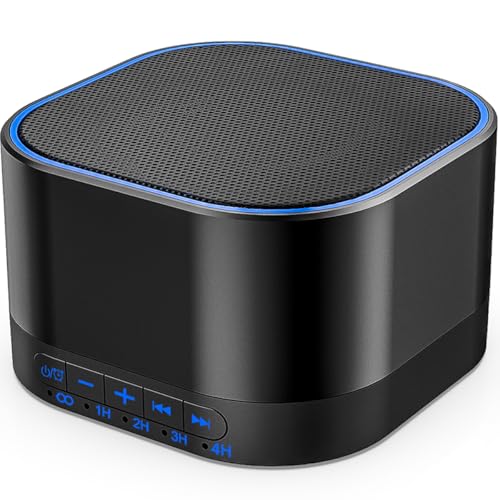
Magicteam Sound White Noise Machine with 20 Non Looping Natural Soothing Sounds and Memory Function 32 Levels of Volume Powered by AC or USB and Sleep Sound Timer Therapy for Baby Kids Adults
- ❤Notice: This sound machine needs to be plugged in for use.
- ❤20 Non-Looping Sleep Sounds: White noise ,Brown noise, pink noise, blue noise, fan,brook, rain, ocean,bird and Bonfire,suitable for for Baby and Kids and Adults.
- ❤Precise Volume & Timer Settings:With 32 Levels of Volume ,it is perfect for baby sleeping .And you can set 1 hour,2 hours,3 hours,4 hours and continuous play,control the comfort level for your own environment.
New starting from: 22.99 $
Go to Amazon
MZOO Luxury Sleep Eye Mask for Side Sleeper Men Women, Zero Eye Pressure 3D Sleeping Mask, Light Blocking Patented Design Night Blindfold, Soft Eye Shade Cover for Travel, Black
- Zero Eye Pressure: The Deepest 13mm arc-shaped widened eye cups provide makeup-safe space and allow natural blinking
- Great for Side Sleepers: Upgraded 15°-curved thin sides ensure smooth transitions with no uncomfortable bulge, minimizing temple pressure for all sleeping positions
- 100% Light Blocking: Patented contoured eye cups seal completely around each eye. Deep 22mm nose padding blocks all light leakage
List Price :
Offer: 13.99 $
Go to Amazon
Weekender Cooling Gel Memory Foam Pillow for Sleeping – Standard Size, Ventilated Cooling Pillow for Side & Back Sleepers, Neck & Shoulder Support, Medium Firm, Washable Cover
- COOLING GEL PILLOW WITH DUAL TEMPERATURE CONTROL: Gel-infused memory foam plus precision ventilation holes continuously pull heat away from your body, so this cooling pillow stays more comfortable all night than traditional foam bed pillows for sleeping.
- MEMORY FOAM SUPPORT FOR SIDE, BACK & STOMACH SLEEPERS: Medium-firm memory foam contours to your head, neck, and shoulders to relieve pressure points and support spinal alignment; ideal for side sleeper pillows, back sleepers, and stomach sleepers.
- MACHINE WASHABLE COVER – EASY BEDROOM ESSENTIAL: Soft zippered polyester cover is easy to remove and fully machine washable and dryer safe; it’s a supportive, washable pillow that keeps your bedroom fresh without extra effort.
New starting from: 29.99 $
Go to Amazon