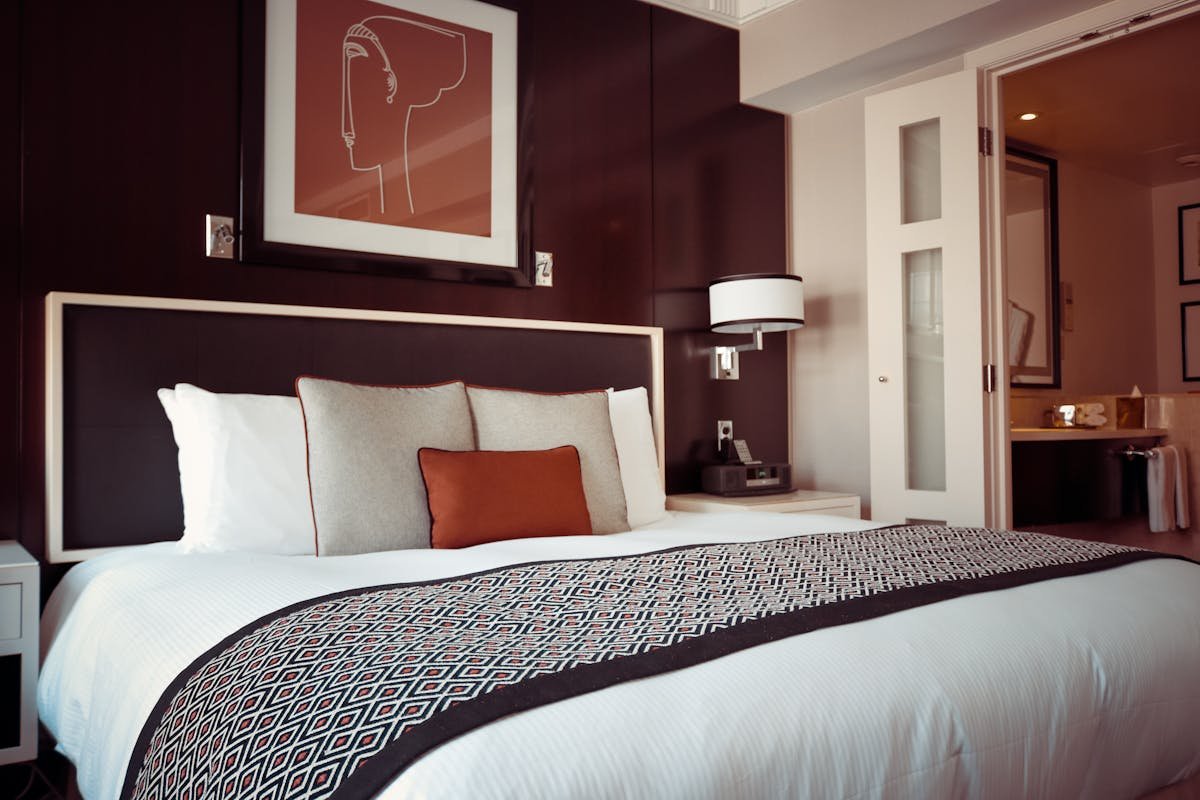
- Best Overall: Saatva Classic ★★★★★ — Luxury hybrid with three firmness options.
- Best for Side Sleepers: Helix Midnight ★★★★½ — Hybrid construction with targeted pressure relief at shoulders and hips.
- Best Value: Nectar ★★★★½ — Memory foam with a 365-night trial and lifetime warranty.
Most people think sleep quality is about discipline — going to bed earlier, putting the phone down, drinking less coffee. Those things matter, but they’re not the highest-leverage variable. How to create the perfect sleep environment — meaning the physical bedroom you sleep in — is the single biggest determinant of how well you sleep, and it’s the easiest to fix once you know what to change.
After years of testing sleep tech, mattresses, bedding, and bedroom setups, I’ve boiled the variables down to four that actually matter: temperature, light, sound, and tech. Get those four right and you’ve solved 80% of the bedroom optimization problem. The remaining 20% — mattress, pillow, sheets, supplements, and routines — fine-tunes the rest.
This guide walks through exactly how to optimize each variable, with specific recommendations and the science behind why each one matters. By the end, you’ll have a checklist for turning your bedroom into a genuine sleep sanctuary — the kind of room that produces deep sleep on autopilot.
|
Affiliate disclosure: Catch Z’s is reader-supported. We earn a commission when you click product links — at no cost to you. Every product mentioned in this guide is one we’ve tested and recommend. |
|
TL;DR — The Z-Catching Bedroom Checklist Temperature: Aim for 65–68°F at sleep time. Hot bedrooms wreck sleep more than any other variable. Light: 100% blackout. Real blackout curtains, no electronics with LEDs, no nightlights unless you need them. Sound: Steady ambient noise (white/pink/brown noise) to mask disruptions; otherwise as quiet as possible. Tech: Phone out of the bedroom. Period. Bonus: Quality mattress, pillow, and breathable sheets matter as much as the room. The whole stack works together. |
1. Temperature: The 65–68°F Rule
Your body needs to drop its core temperature by about 2–3°F to initiate and maintain deep sleep. A bedroom that’s too warm prevents this temperature drop, which keeps your body in lighter sleep stages all night. Studies consistently show 65–68°F (18–20°C) is the optimal sleep temperature for most adults — meaningfully cooler than most people set their thermostats.
If you can’t or don’t want to keep your whole house at 65°F, focus the cooling on the bedroom specifically. A small bedroom AC unit or a smart fan can drop bedroom temperature without affecting the rest of your house. For extreme cases (or for couples with different temperature preferences), active bed cooling is worth considering.
For partners with mismatched temperature preferences, an Eight Sleep Pod or ChiliPad solves the thermostat war by giving each side of the bed its own temperature. For passive cooling, a cooling mattress plus cooling sheets can do most of the work without active cooling tech.
If you wake up sweating, your bedroom is too warm or your bedding is trapping too much heat. Both are fixable; neither is something you should accept as inevitable.
2. Light: True 100% Blackout
Light is the strongest signal your circadian rhythm responds to. Even small amounts of ambient light during sleep — street lamps through curtains, electronic device LEDs, early sunrise — suppress melatonin and reduce sleep depth. The fix is straightforward: total darkness during sleep hours.
Start with blackout curtains. Most curtains marketed as “blackout” actually block 90–95% of light, which is meaningfully different from 100%. The best blackout curtains actually deliver true 100% blackout — and the difference between 95% and 100% is the difference between a dim room and a genuinely dark one.
After curtains, hunt down ambient light sources in your bedroom. LED indicators on smoke detectors, charging cables, electronic devices, and TVs all emit small amounts of light that affect sleep. Use blackout stickers (cheap and effective) or relocate the devices outside the bedroom. The goal is a room dark enough that you can’t see your hand in front of your face when your eyes are adjusted.
If true bedroom blackout is impractical (rental restrictions, partner preferences, etc.), a quality sleep mask creates portable darkness that travels with you. The Manta Sleep Mask is the standard-bearer.
3. Sound: Steady Ambient Masking
Sound is more nuanced than temperature or light. Total silence is great if your environment is genuinely quiet, but most bedrooms have some ambient noise — traffic, neighbors, HVAC systems, partner snoring. The brain detects sound variability (a car door slamming, a dog barking) and uses it as a wake trigger, even if you don’t consciously wake up.
The fix is steady ambient noise that raises the noise floor enough that variable sounds stop standing out. White noise, pink noise, brown noise, fan sounds, or rain sounds all work. The specific sound matters less than the consistency — a steady ambient sound masks variability.
A good white noise machine is the cheapest and most effective fix. The LectroFan EVO ($60) is the dedicated specialist; the Hatch Restore 2 includes white noise as one feature among many. For users who specifically want phone-free design, the Loftie Clock provides white noise plus a content library.
If you sleep next to a snoring partner, in-ear sleep masking is the upgrade. The Ozlo Sleepbuds (built on Bose Sleepbuds II tech) are the only sleep earbuds tiny enough for side-sleeping, with masking content engineered specifically to cover snoring frequencies.
4. Tech: Phone Out of the Bedroom
This is the highest-leverage change in this guide and the hardest one to actually do. Your phone in the bedroom — even on silent, even face-down, even “just in case” — damages sleep in measurable ways. The blue light suppresses melatonin. The proximity prompts middle-of-the-night checking. The morning-alarm habit means your day starts with notifications instead of calm.
The fix is to physically remove the phone from the bedroom. Charge it in the kitchen. Use a dedicated alarm clock (the Hatch Restore 2 or Loftie Clock replace every phone-as-alarm function). After 30 days, most people report measurable improvements in sleep quality and morning calm.
If a full phone exile feels impossible, start with smaller wins: charge the phone across the room (not on the nightstand), keep it on Do Not Disturb during sleep hours, and don’t pick it up first thing in the morning. Each step in the right direction helps.
Beyond phones, audit other tech in the bedroom. TVs in the bedroom correlate with worse sleep across most studies. Smart speakers can be useful if they’re not constantly listening. Any device with a glowing display works against your sleep — minimize tech presence wherever possible.
5. The Bed Itself: Mattress, Pillow, Sheets
The variables above optimize the bedroom around the bed. The bed itself matters too — and arguably more. A great bedroom with a bad mattress will produce mediocre sleep; a great mattress in a flawed bedroom can still deliver good rest.
Mattress is the foundation. The right mattress for your sleep style, body weight, and temperature preference is one of the highest-leverage purchases you’ll make for sleep. The best mattresses 2026 roundup covers the picks for every sleep type and budget.
Pillow matters next, especially for side sleepers (whose neck alignment depends entirely on pillow height). The best pillow for side sleepers guide covers the right pillows for proper alignment.
Sheets affect cooling more than people realize. Hot sleepers should use percale cotton or Tencel/bamboo — sateen sheets and microfiber trap heat. Our best sheets for hot sleepers guide covers the picks.
6. Bedtime Routine: The Software That Runs on This Hardware
All the bedroom hardware in the world won’t help if your nervous system is amped up at bedtime. A consistent wind-down routine signals your circadian rhythm to start preparing for sleep — gradually dropping cortisol, raising melatonin, slowing heart rate.
The basic structure: dim lights 60 minutes before sleep (use lamps instead of overhead lights, or smart bulbs that auto-dim). Stop screens 30 minutes before sleep (or use blue-light-blocking glasses if screen time is unavoidable). Do something calming for the last 30 minutes — reading, meditation, journaling, light stretching. Get in bed at the same time every night, even on weekends.
If you struggle with consistency, smart alarm clocks like the Hatch Restore 2 can program automatic bedtime routines that handle the lighting and sound transitions for you. (See our full bedtime routine guide for the deep dive.)
7. The Optional Layer: Supplements and Tracking
Once the bedroom and routine are dialed in, supplements and tracking can fine-tune. Magnesium glycinate (200–400mg before bed) helps many users with sleep onset and quality. L-theanine (100–200mg) calms anxiety and helps with sleep latency. Melatonin (0.3–1mg, much less than typical supplement doses) can help with circadian rhythm issues but isn’t a sleep aid for general use.
Sleep tracking — through wearables like the Oura Ring or bed-based systems like Eight Sleep — gives you data to spot patterns and identify what’s working. For most users, the tracking value comes from identifying which behaviors (caffeine timing, alcohol, late meals, screen time) correlate with bad sleep, then adjusting. (See our best sleep trackers 2026 roundup.)
Skip the optimization layer until the basics are done. A perfectly tuned tracker with a hot bedroom and a phone on the nightstand won’t help.
Frequently Asked Questions
What’s the ideal bedroom temperature for sleep?
65–68°F (18–20°C) is the optimal sleep temperature range for most adults. Your body needs to drop its core temperature to initiate deep sleep, and a cool bedroom supports that drop. Bedrooms warmer than 70°F are likely keeping you in lighter sleep stages all night, even if you don’t notice.
How dark does my bedroom need to be for good sleep?
As dark as you can make it. Even small amounts of ambient light (LEDs, street lamps, early sunrise) suppress melatonin and reduce sleep depth. True 100% blackout produces measurably better sleep than 90–95% blackout. Use blackout curtains and remove or cover ambient light sources from electronics.
Should my bedroom be silent or have white noise?
Depends on your environment. If your bedroom is genuinely quiet (no traffic, no neighbors, no HVAC), silence is fine. If there’s any ambient noise variability, white noise or another steady ambient sound masks the variability and prevents sleep disturbance. Most urban and suburban bedrooms benefit from white noise.
Is keeping my phone in the bedroom really that bad for sleep?
Yes. Phones in the bedroom correlate with longer sleep latency, more night-waking, and lower sleep quality across multiple studies. The combination of blue light, notification anticipation, and middle-of-the-night checking creates a cumulative negative effect. Removing the phone from the bedroom is one of the highest-leverage sleep changes you can make.
How long does it take to feel better after optimizing the sleep environment?
Most users notice meaningful improvement within 1–2 weeks of optimizing the basics (temperature, light, sound, phone). Bigger changes — full circadian adjustment, recovery from accumulated sleep debt — can take 4–6 weeks. The improvements are typically dramatic and sustained, not subtle.
What’s the most important change to make first?
If you can only fix one thing, get your phone out of the bedroom. It’s the highest-leverage single change for most people. After that, focus on temperature (aim for 65–68°F at sleep time). After that, blackout curtains. After that, white noise if your environment needs it. Each layer compounds.
The Bottom Line
If you only remember one thing from this guide: your bedroom is either helping or hurting your sleep, and most bedrooms are quietly hurting it. Fixing the four big variables — temperature, light, sound, tech — solves 80% of the problem. Adding optimized bedding, mattress, and routine handles the remaining 20%.
Stop accepting bad sleep as inevitable. Most of the variables are within your control, and the upgrades pay themselves back every single night for the next decade. (For specific product picks across categories, see our roundups: best mattresses 2026, best cooling mattress, best blackout curtains, and best white noise machines.)
Build the sleep environment, and the sleep follows.
Our Top 3 Mattresses
Independently researched, ranked by who they’re actually best for.
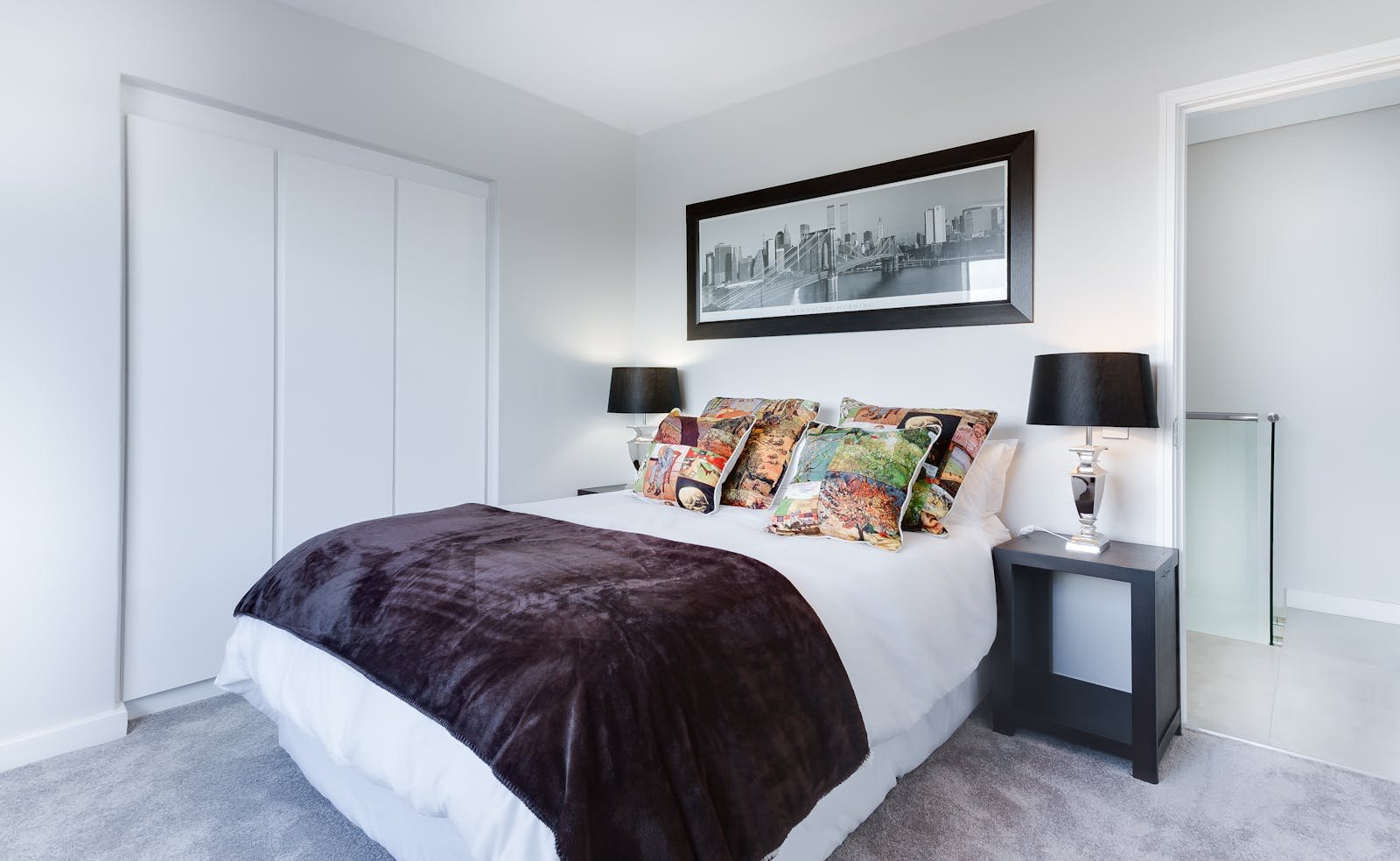
Saatva Classic
Luxury hybrid with three firmness options. The most consistently recommended premium pick.
Check Current Price
Helix Midnight
Hybrid construction with targeted pressure relief at shoulders and hips.
Check Current Price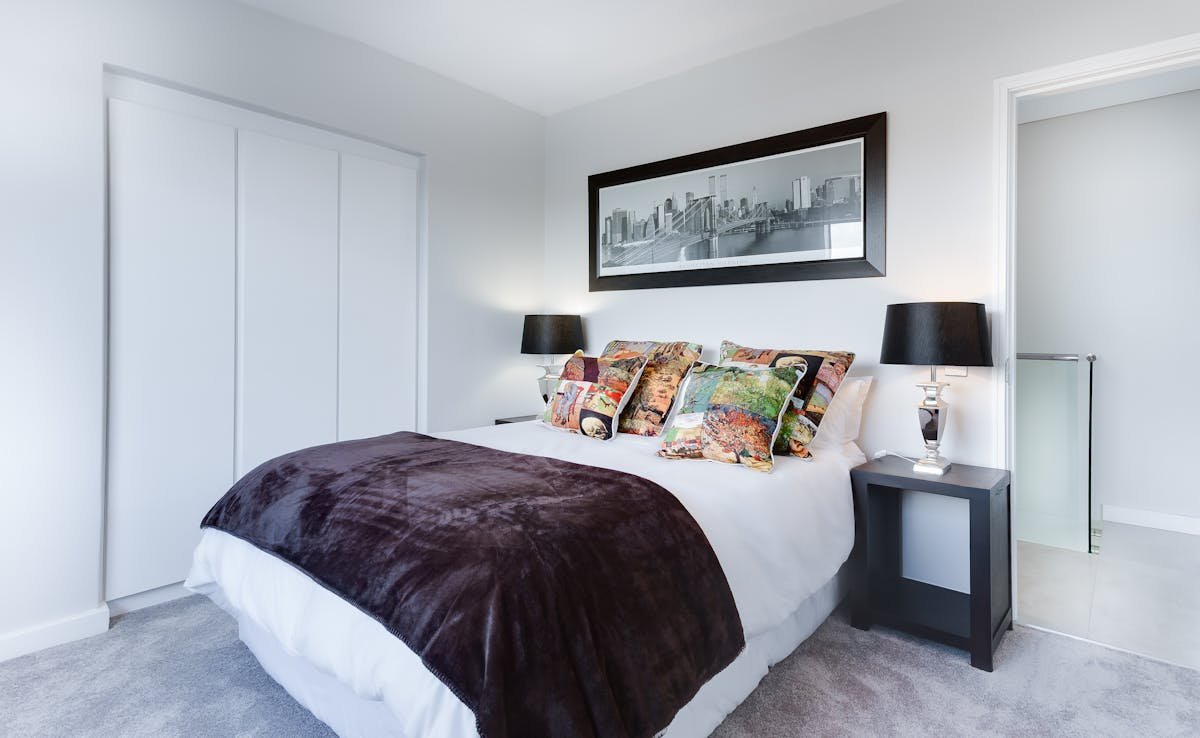
Nectar
Memory foam with a 365-night trial and lifetime warranty.
Check Current PriceRelated Guides
- Best Travel Pillows 2026: For Planes, Cars, and Trains
- Screen Time Before Bed: How Phones Wreck Your Sleep
- Best Bed Cooling Systems 2026: Active Cooling for Hot Sleepers
Sleep Essentials We Recommend

yescool Weighted Blanket for Adults (20 lbs, 60” x 80”, Grey) Cooling Heavy Blanket for Sleeping Perfect for 190-210 lbs, Queen Size Breathable Blanket with Premium Glass Bead, Machine Washable
- 🌙【CHOOSE RIGHT SIZE】: Weighted blanket which owns 10% of your body weight is recommended. 20 lb weighted blanket queen size is perfect for adult 190-210 lbs, also fit couple, you can use it in you queen size bed.
- 🌙【JUST ON TOP OF MATTRESS】: Yescool weighted blankets for adults keep you sleeping all night. We recommend a queen size blanket for single use. Due to enough weight, the weighted blanket queen size (60”x 80”) will fit your body very well, which means it just fits on top of the mattress of your queen-size bed, 📌WITHOUT OVERHANGING📌, and may make you think it is smaller.
- 🌙【TIGHTLY STITCHING&DURABILE】: Our weighted blanket for women&man composed of 5″x5″ small enough compartments stitched by high-density 15000 stitches to tightly make glass beads stay put in the square all the time to bring you a more durable weighted blanket with no glass beads leakage.
List Price :
Offer: 39.99 $
Go to Amazon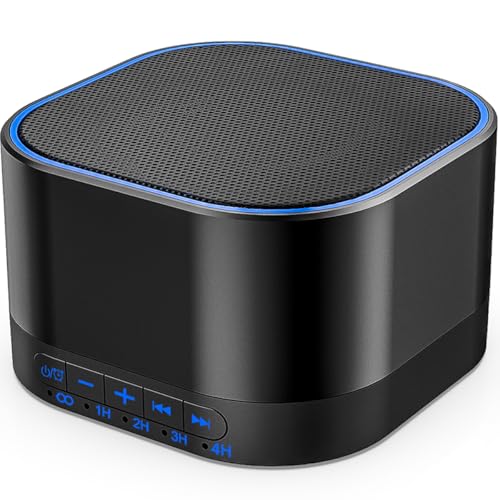
Magicteam Sound White Noise Machine with 20 Non Looping Natural Soothing Sounds and Memory Function 32 Levels of Volume Powered by AC or USB and Sleep Sound Timer Therapy for Baby Kids Adults
- ❤Notice: This sound machine needs to be plugged in for use.
- ❤20 Non-Looping Sleep Sounds: White noise ,Brown noise, pink noise, blue noise, fan,brook, rain, ocean,bird and Bonfire,suitable for for Baby and Kids and Adults.
- ❤Precise Volume & Timer Settings:With 32 Levels of Volume ,it is perfect for baby sleeping .And you can set 1 hour,2 hours,3 hours,4 hours and continuous play,control the comfort level for your own environment.
New starting from: 22.99 $
Go to Amazon
MZOO Luxury Sleep Eye Mask for Side Sleeper Men Women, Zero Eye Pressure 3D Sleeping Mask, Light Blocking Patented Design Night Blindfold, Soft Eye Shade Cover for Travel, Black
- Zero Eye Pressure: The Deepest 13mm arc-shaped widened eye cups provide makeup-safe space and allow natural blinking
- Great for Side Sleepers: Upgraded 15°-curved thin sides ensure smooth transitions with no uncomfortable bulge, minimizing temple pressure for all sleeping positions
- 100% Light Blocking: Patented contoured eye cups seal completely around each eye. Deep 22mm nose padding blocks all light leakage
List Price :
Offer: 13.99 $
Go to Amazon
Weekender Cooling Gel Memory Foam Pillow for Sleeping – Standard Size, Ventilated Cooling Pillow for Side & Back Sleepers, Neck & Shoulder Support, Medium Firm, Washable Cover
- COOLING GEL PILLOW WITH DUAL TEMPERATURE CONTROL: Gel-infused memory foam plus precision ventilation holes continuously pull heat away from your body, so this cooling pillow stays more comfortable all night than traditional foam bed pillows for sleeping.
- MEMORY FOAM SUPPORT FOR SIDE, BACK & STOMACH SLEEPERS: Medium-firm memory foam contours to your head, neck, and shoulders to relieve pressure points and support spinal alignment; ideal for side sleeper pillows, back sleepers, and stomach sleepers.
- MACHINE WASHABLE COVER – EASY BEDROOM ESSENTIAL: Soft zippered polyester cover is easy to remove and fully machine washable and dryer safe; it’s a supportive, washable pillow that keeps your bedroom fresh without extra effort.
New starting from: 29.99 $
Go to Amazon