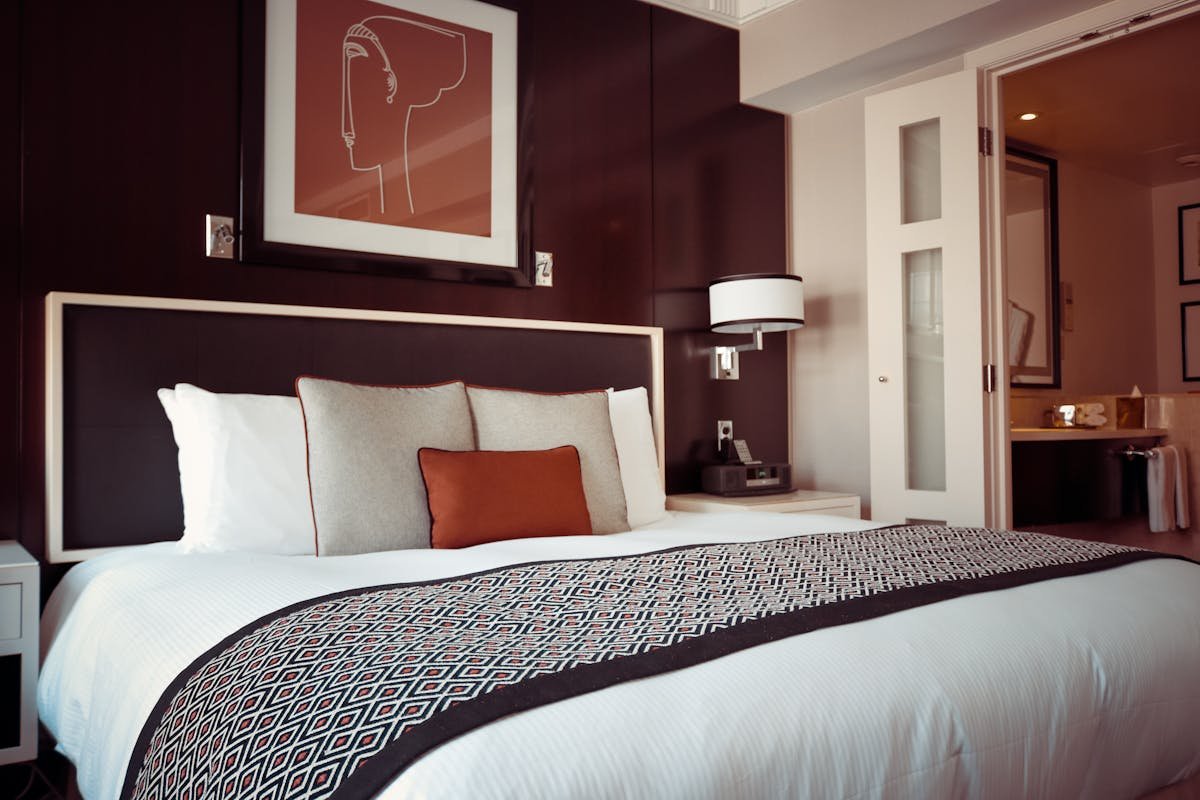
- Best Overall: Saatva Classic ★★★★★ — Luxury hybrid with three firmness options.
- Best for Side Sleepers: Helix Midnight ★★★★½ — Hybrid construction with targeted pressure relief at shoulders and hips.
- Best Value: Nectar ★★★★½ — Memory foam with a 365-night trial and lifetime warranty.
Most people understand sleep as a single thing — you fall asleep, time passes, you wake up. The reality is more complex and more interesting: sleep is structured into sleep cycles of about 90 minutes each, with four distinct stages within each cycle. Understanding how sleep cycles actually work — and what each stage does for your body — is the foundation of every meaningful sleep optimization.
This guide is the comprehensive plain-English explanation of sleep cycles, their stages (light, deep, REM), what each one does, how to identify your own cycle pattern, and how to use that knowledge to wake up less groggy and feel more rested. By the end, you’ll understand sleep at a level that lets you stop guessing about your sleep quality and start making targeted changes.
Important note up front: if you suspect a sleep disorder (chronic insomnia, sleep apnea, restless legs syndrome, etc.), this article doesn’t replace medical evaluation. The information here is for general optimization, not diagnosis or treatment of sleep conditions.
|
Affiliate disclosure: Catch Z’s is reader-supported. We earn a commission when you click product links — at no cost to you. This article is informational, not medical advice. If you suspect a sleep disorder, talk to a doctor. |
|
TL;DR — Sleep Cycles in 30 Seconds Sleep cycles are 90 minutes long, with each cycle containing four stages: light sleep (N1), deeper light sleep (N2), deep sleep (N3), and REM. Most adults need 4–6 cycles per night (6–9 hours of sleep). Earlier cycles have more deep sleep; later cycles have more REM. Hack the cycle: Wake up at the end of a cycle (multiples of 90 minutes from sleep onset) to feel less groggy. Bottom line: Quality sleep isn’t just about hours — it’s about completing cycles. Optimize your bedroom and routine to support uninterrupted cycling, and you’ll wake up genuinely rested. |
What Are Sleep Cycles?
A sleep cycle is a recurring sequence of sleep stages your brain progresses through during the night. Each cycle lasts approximately 90 minutes, though the actual length varies between 80 and 110 minutes depending on the individual and the cycle number (early cycles tend to be shorter, later cycles longer).
Within each cycle, your brain moves through four distinct stages: N1 (the light, drifting-off stage), N2 (a deeper light sleep that makes up most of your total sleep time), N3 (deep sleep, also called slow-wave sleep), and REM (rapid eye movement sleep, where most dreaming happens). The stages aren’t equal in length — most of each cycle is spent in N2, with deep sleep and REM split between the remaining time.
The structure of cycles changes as the night progresses. Early cycles (the first 1–2 of the night) are heavier on deep sleep — your body uses these for physical recovery, immune function, and tissue repair. Later cycles (the last 1–2 before waking) are heavier on REM — your brain uses these for memory consolidation, emotional processing, and creative integration. Skip the early cycles and you miss recovery; skip the late cycles and you miss memory and mood benefits. (For more on optimizing for full cycles, see our bedtime routine guide.)
The Four Stages of Sleep
Each sleep cycle contains four stages with distinct characteristics, brain wave patterns, and physiological functions. Here’s what each stage does and why it matters:
|
Stage |
What Happens |
% of Cycle |
Function |
|---|---|---|---|
|
N1 (light sleep) |
Drifting off, easy to wake |
~5% |
Transition into sleep |
|
N2 (deeper light) |
Most of total sleep time |
~50% |
Memory consolidation, body repair |
|
N3 (deep sleep) |
Slow-wave sleep, hard to wake |
~20–25% (more in early cycles) |
Physical recovery, immune function |
|
REM |
Rapid eye movement, dreaming |
~20–25% (more in later cycles) |
Memory consolidation, emotional processing |
Stage 1: N1 (Light Sleep)
N1 is the transition between wakefulness and sleep — the drifting-off stage. It lasts only a few minutes per cycle, and it’s easy to wake from (a sudden noise will pull you back to wakefulness). Your muscles begin to relax, your brain waves slow, and your heart rate decreases. About 5% of total sleep time is spent in N1.
This stage is the entry point for sleep. It’s also where you can experience hypnic jerks (the sudden falling sensation that jolts you awake). Because N1 is so brief and easy to disrupt, environmental factors that cause repeated wake-ups can prevent you from progressing past this stage and into the deeper, more restorative stages.
Stage 2: N2 (Deeper Light Sleep)
N2 is where you spend most of your sleep time — about 50% of total sleep, more than any other stage. Brain waves slow further, body temperature drops, and “sleep spindles” appear in EEG readings (brief bursts of brain activity associated with memory consolidation). It’s harder to wake from N2 than N1, but still possible if disturbances are loud enough.
Despite being called “light sleep,” N2 is doing significant work. Memory consolidation begins here, body repair processes activate, and the body continues cooling toward optimal sleep temperature. Skipping N2 isn’t really possible because of how much of the night is spent in it, but interrupted N2 (frequent partial awakenings) damages overall sleep quality even if you don’t consciously remember waking.
Stage 3: N3 (Deep Sleep / Slow-Wave Sleep)
N3 is deep sleep — the most restorative stage of sleep, especially for physical recovery. Brain waves slow to delta waves (the slowest brain wave pattern), heart rate and breathing drop to their lowest points, and the body releases growth hormone for tissue repair, immune function, and physical restoration. Waking someone from N3 is difficult, and they’ll typically feel disoriented for several minutes (“sleep inertia”).
Most N3 happens in the first 1–2 cycles of the night — typically the first 3 hours after sleep onset. As the night progresses, the proportion of N3 in each cycle decreases and REM increases. This is why missing the first 3 hours of sleep is particularly damaging — you miss most of your deep sleep for the night.
If you wake up in the morning feeling physically tired despite getting enough total sleep hours, you may be missing deep sleep specifically. Causes include alcohol close to bedtime, irregular sleep timing, and sleep environment disruptions in the first 3 hours. (See our perfect sleep environment guide for fixes.)
Stage 4: REM (Rapid Eye Movement Sleep)
REM is the dreaming stage — characterized by rapid eye movement under closed eyelids, increased brain activity (closer to wakefulness levels), and temporary muscle paralysis (which prevents you from acting out your dreams). REM is where your brain processes memories, integrates emotional experiences, and supports creative thinking.
REM appears later in each cycle and increases in duration as the night progresses. Early cycles may have only 5–10 minutes of REM; later cycles can have 30+ minutes. Most of your REM sleep happens in the last 2–3 hours before waking. This is why cutting your sleep short by waking up early — even by an hour — disproportionately costs you REM.
REM is essential for emotional health and memory. Studies show REM deprivation increases anxiety, impairs emotional regulation, and reduces creative problem-solving the next day. If you wake up feeling mentally foggy or emotionally raw despite sleeping enough hours, you may be missing REM specifically.
How Cycles Change Through the Night
The proportion of each stage within a cycle shifts dramatically across the night. Understanding this pattern is the key to identifying which sleep stage you’re losing when you don’t get enough sleep.
In the first cycle (sleep onset to about 90 minutes in), you’ll have a lot of N3 (deep sleep) — sometimes 30–40 minutes — and only a small amount of REM (5–10 minutes). This is why the first 3 hours of sleep are critical for physical recovery; most of your deep sleep happens here.
By the third cycle (3 to 4.5 hours in), N3 has dropped to about 15–20 minutes and REM has increased to about 20–25 minutes. Your sleep is becoming more brain-focused (memory, emotion, learning) and less body-focused (physical repair).
By the fifth cycle (the last 90 minutes before your typical 7.5-hour wake time), N3 may be nearly absent and REM may dominate the cycle — sometimes 40+ minutes of REM. This is why the last cycle of the night is essential for cognitive and emotional recovery, and why cutting your sleep short by an hour can feel disproportionately bad: you’re cutting REM specifically.
How to Hack Sleep Cycles
The most-cited sleep cycle hack is timing your sleep to multiples of 90 minutes from sleep onset. The logic: if you wake up at the end of a cycle (in light N1 or N2), you’ll feel rested; if you wake up in the middle of a cycle (especially N3), you’ll feel groggy. Common targets are 6 hours (4 cycles), 7.5 hours (5 cycles), or 9 hours (6 cycles).
This hack is real but imperfect. Cycle length varies between 80 and 110 minutes per person, so the 90-minute math is approximate. Sleep tracking devices that monitor brain waves or heart rate variability (Eight Sleep, Oura, Whoop) can identify your actual cycle pattern more accurately and time alarms to your individual rhythm. For most users without trackers, aiming for 7.5 hours from sleep onset (not from getting in bed) is the simplest implementation.
Beyond timing, the most effective cycle optimization is preventing disruptions. Each fully-completed cycle delivers all four stages; an interrupted cycle (which happens when you wake up in the middle and have to start a new cycle) costs you the deeper stages. (For sleep tracking that identifies your cycle pattern, see our best sleep trackers 2026 guide.)
Common Cycle Disruptions and Fixes
Several common factors disrupt sleep cycles and cost you the deeper stages. Alcohol within 3 hours of bed disrupts REM sleep specifically — you’ll fall asleep faster but get less REM, especially in the second half of the night. The fix: stop alcohol consumption at least 3 hours before bed, or eliminate evening alcohol entirely.
Caffeine has a 6-hour half-life. Coffee at 2pm is still about 25% active at 8pm and prevents your brain from progressing into deep sleep stages. The fix: cut caffeine by noon if you’re sleep-sensitive, or by 2pm at the latest.
Bedroom temperature too high prevents deep sleep. Your body needs to drop its core temperature for N3, and a warm bedroom keeps you stuck in lighter stages. The fix: 65–68°F bedroom temperature is the well-researched sweet spot.
Light pollution reduces sleep depth even if you don’t wake up. Even small amounts of ambient light (street lamps, electronic LEDs) suppress melatonin and reduce time in deep sleep. The fix: blackout curtains, eye masks, or both. (See our best blackout curtains guide.)
Sound disruptions — even ones you don’t consciously remember — cause partial awakenings that interrupt cycles. The fix: white noise machines or earplugs to mask variable ambient noise.
How Sleep Cycles Change With Age
Sleep architecture shifts substantially across the lifespan. Newborns spend about 50% of sleep in REM (compared to 20–25% in adults) — the high REM proportion supports rapid brain development. Children and teenagers cycle similarly to adults but need more total sleep (9–11 hours for kids, 8–10 for teens) to complete enough cycles.
In adults (roughly age 25–60), cycles stabilize at the typical pattern — 90 minutes per cycle, with N3 dominant early and REM dominant late. Total sleep need is 7–9 hours for most adults, which corresponds to 4–6 complete cycles.
After age 60, deep sleep (N3) decreases significantly, sometimes to less than 10% of total sleep time. This isn’t necessarily a sleep problem — it’s a normal part of aging — but it means older adults often wake more often during the night and feel less physically restored even with adequate sleep hours. Sleep environment optimization becomes especially important in older age, when sleep quality drops naturally.
Frequently Asked Questions
How long is a sleep cycle?
Approximately 90 minutes, with individual variation between 80 and 110 minutes. Most adults complete 4–6 cycles per night, totaling 6–9 hours of sleep. Cycle length isn’t uniform across the night — early cycles tend to be slightly shorter, later cycles slightly longer.
Is REM or deep sleep more important?
Both are essential, but they serve different functions. Deep sleep (N3) is critical for physical recovery, immune function, and tissue repair. REM is critical for memory consolidation, emotional processing, and cognitive function. Healthy adults need both; missing either causes specific deficits (physical fatigue from missed N3, mental fog from missed REM).
Can I survive on less sleep if I optimize my cycles?
Mostly no. Some users can function on 6 hours per night (4 cycles) with strong sleep optimization, but most adults need 7–9 hours for optimal cognitive and physical performance. Sleep cycle optimization improves the quality of the hours you sleep; it doesn’t reduce the total amount needed. The “short sleeper gene” exists in some individuals but is rare (less than 1% of the population).
How can I tell what stage I’m in during sleep?
You can’t subjectively — sleep stages are identified by brain wave patterns measured via EEG. However, sleep tracking devices like the Oura Ring, Eight Sleep, and Whoop estimate sleep stages from heart rate, HRV, body movement, and other signals. They’re not perfectly accurate against laboratory polysomnography but provide useful approximations for tracking your own patterns over time.
Do naps include all sleep stages?
It depends on nap length. A 20-minute nap (the “power nap”) stays in N1 and N2 — light sleep that boosts alertness without grogginess. A 90-minute nap completes a full cycle including REM, which can boost creativity and emotional regulation. Mid-length naps (30–60 minutes) often end in N3 deep sleep, which causes grogginess on waking. Either short (20-minute) or long (90-minute) is better than mid-length.
Can I wake up at the right time in a cycle?
Approximately. The 90-minute math (waking 4.5, 6, 7.5, or 9 hours after sleep onset) gives you a rough target. More precisely, sleep tracking devices can identify your specific cycle pattern and time smart alarms to wake you in light sleep stages. Apps that work with phone sensors are less accurate; dedicated wearables (Oura, Whoop, Apple Watch with sleep tracking) work better.
The Bottom Line
If you only remember one thing from this guide: sleep quality is about completing cycles, not just clocking hours. Each 90-minute cycle delivers a specific mix of light, deep, and REM sleep, and missing or interrupting cycles costs you specific functions (physical recovery from N3, memory and emotion from REM).
Optimize for uninterrupted cycling: cool dark bedroom, consistent bedtime, supplements if needed, no alcohol close to bed. The 90-minute multiples math gives you a rough target for sleep timing; for more precision, sleep tracking helps identify your specific pattern. (For broader sleep optimization, see our perfect sleep environment guide, bedtime routine guide, and best sleep trackers 2026 roundup.)
Stop measuring your sleep just by hours. Start thinking in cycles. The shift in framing alone helps most users sleep meaningfully better within weeks.
Our Top 3 Mattresses
Independently researched, ranked by who they’re actually best for.
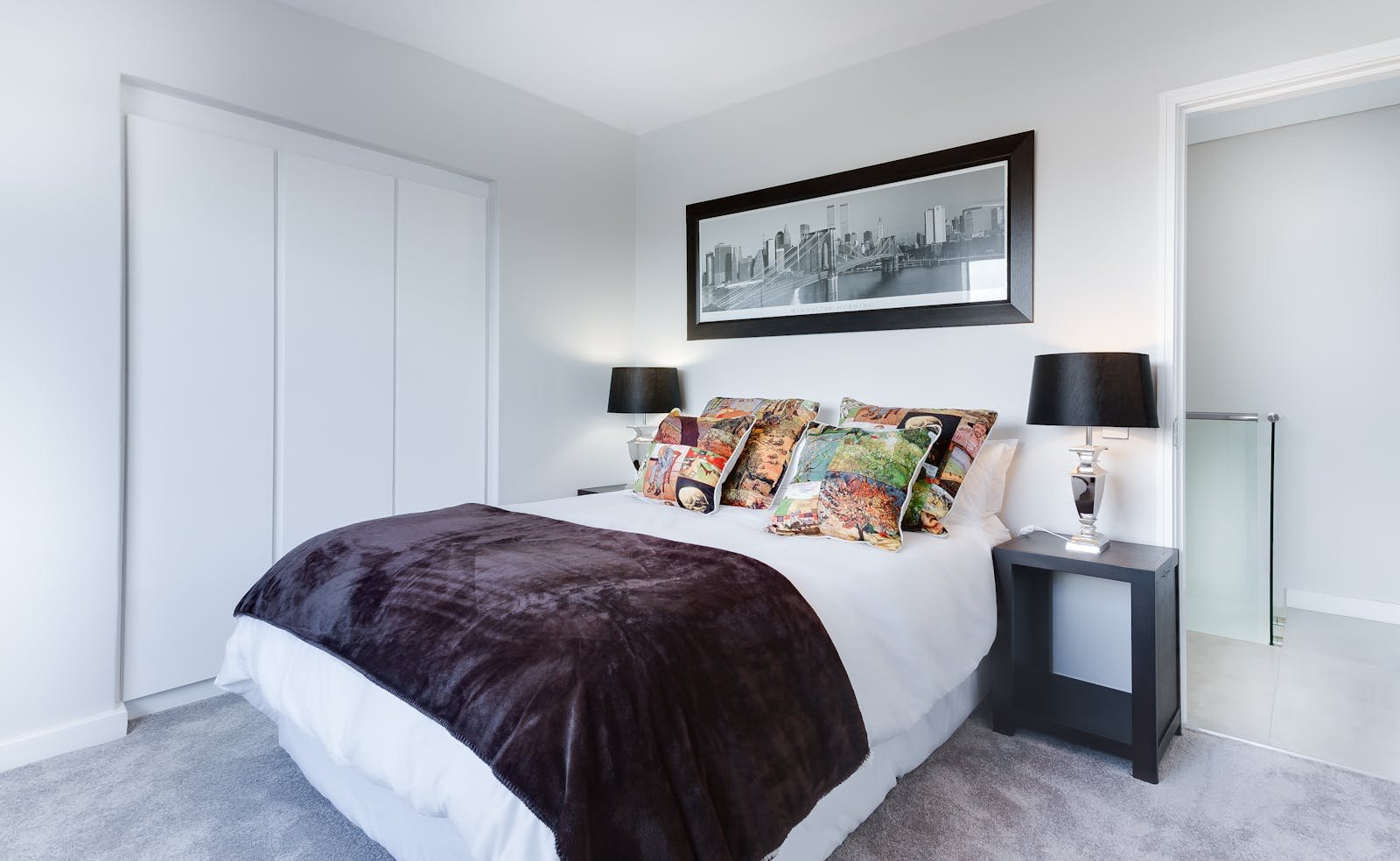
Saatva Classic
Luxury hybrid with three firmness options. The most consistently recommended premium pick.
Check Current Price
Helix Midnight
Hybrid construction with targeted pressure relief at shoulders and hips.
Check Current Price
Nectar
Memory foam with a 365-night trial and lifetime warranty.
Check Current PriceRelated Guides
- Screen Time Before Bed: How Phones Wreck Your Sleep
- Best Bed Cooling Systems 2026: Active Cooling for Hot Sleepers
- Best Night Guards for Teeth Grinding 2026: Bruxism Solutions
Sleep Essentials We Recommend

yescool Weighted Blanket for Adults (20 lbs, 60” x 80”, Grey) Cooling Heavy Blanket for Sleeping Perfect for 190-210 lbs, Queen Size Breathable Blanket with Premium Glass Bead, Machine Washable
- 🌙【CHOOSE RIGHT SIZE】: Weighted blanket which owns 10% of your body weight is recommended. 20 lb weighted blanket queen size is perfect for adult 190-210 lbs, also fit couple, you can use it in you queen size bed.
- 🌙【JUST ON TOP OF MATTRESS】: Yescool weighted blankets for adults keep you sleeping all night. We recommend a queen size blanket for single use. Due to enough weight, the weighted blanket queen size (60”x 80”) will fit your body very well, which means it just fits on top of the mattress of your queen-size bed, 📌WITHOUT OVERHANGING📌, and may make you think it is smaller.
- 🌙【TIGHTLY STITCHING&DURABILE】: Our weighted blanket for women&man composed of 5″x5″ small enough compartments stitched by high-density 15000 stitches to tightly make glass beads stay put in the square all the time to bring you a more durable weighted blanket with no glass beads leakage.
List Price :
Offer: 39.99 $
Go to Amazon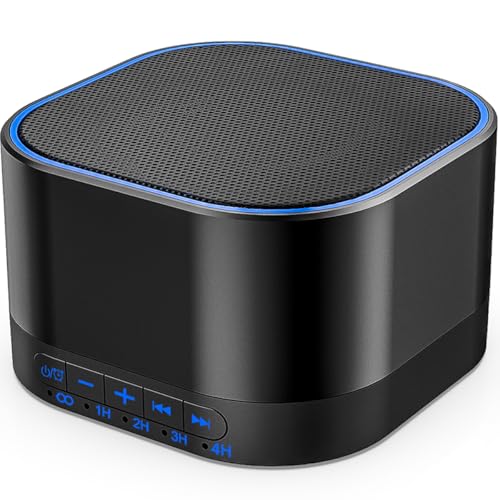
Magicteam Sound White Noise Machine with 20 Non Looping Natural Soothing Sounds and Memory Function 32 Levels of Volume Powered by AC or USB and Sleep Sound Timer Therapy for Baby Kids Adults
- ❤Notice: This sound machine needs to be plugged in for use.
- ❤20 Non-Looping Sleep Sounds: White noise ,Brown noise, pink noise, blue noise, fan,brook, rain, ocean,bird and Bonfire,suitable for for Baby and Kids and Adults.
- ❤Precise Volume & Timer Settings:With 32 Levels of Volume ,it is perfect for baby sleeping .And you can set 1 hour,2 hours,3 hours,4 hours and continuous play,control the comfort level for your own environment.
New starting from: 22.99 $
Go to Amazon
MZOO Luxury Sleep Eye Mask for Side Sleeper Men Women, Zero Eye Pressure 3D Sleeping Mask, Light Blocking Patented Design Night Blindfold, Soft Eye Shade Cover for Travel, Black
- Zero Eye Pressure: The Deepest 13mm arc-shaped widened eye cups provide makeup-safe space and allow natural blinking
- Great for Side Sleepers: Upgraded 15°-curved thin sides ensure smooth transitions with no uncomfortable bulge, minimizing temple pressure for all sleeping positions
- 100% Light Blocking: Patented contoured eye cups seal completely around each eye. Deep 22mm nose padding blocks all light leakage
List Price :
Offer: 13.99 $
Go to Amazon
Weekender Cooling Gel Memory Foam Pillow for Sleeping – Standard Size, Ventilated Cooling Pillow for Side & Back Sleepers, Neck & Shoulder Support, Medium Firm, Washable Cover
- COOLING GEL PILLOW WITH DUAL TEMPERATURE CONTROL: Gel-infused memory foam plus precision ventilation holes continuously pull heat away from your body, so this cooling pillow stays more comfortable all night than traditional foam bed pillows for sleeping.
- MEMORY FOAM SUPPORT FOR SIDE, BACK & STOMACH SLEEPERS: Medium-firm memory foam contours to your head, neck, and shoulders to relieve pressure points and support spinal alignment; ideal for side sleeper pillows, back sleepers, and stomach sleepers.
- MACHINE WASHABLE COVER – EASY BEDROOM ESSENTIAL: Soft zippered polyester cover is easy to remove and fully machine washable and dryer safe; it’s a supportive, washable pillow that keeps your bedroom fresh without extra effort.
New starting from: 29.99 $
Go to Amazon