- Best Cocoa Blend: Beam Dream Powder ★★★★★ — Magnesium + melatonin + L-theanine in a warm cocoa drink.
- Best Mushroom Blend: MUD\WTR Rest ★★★★½ — Reishi + chamomile + magnesium in a non-caffeinated nighttime blend.
- Best Magnesium: Magnesium Glycinate (Rest) ★★★★½ — Most bioavailable magnesium form.
If you’ve tried over-the-counter sleep medications and woken up the next day feeling like you got hit by a truck, you’ve already learned why people search for natural sleep aids specifically. Diphenhydramine (Benadryl, ZzzQuil), doxylamine (Unisom), and other sedating antihistamines knock you out — but they leave you groggy, dry-mouthed, and mentally foggy the next morning. Worse, they can lose effectiveness with continued use, and there’s emerging evidence that long-term use isn’t great for cognitive health.
The good news: there are natural sleep aids that genuinely improve sleep quality without next-day grogginess. The trick is knowing which ones actually work, what doses to use, and how to set realistic expectations. Most natural sleep aids are gentler than over-the-counter sedatives, which means the effects build over weeks rather than days — but the trade-off is no morning fog, no dependence, and meaningful long-term sleep improvement.
This guide covers the seven natural sleep remedies with both research support and consistent user results. Each one is non-habit-forming, doesn’t cause grogginess at standard doses, and addresses a specific aspect of sleep (general quality, anxiety, body relaxation, or sleep onset).
|
Affiliate disclosure: Catch Z’s is reader-supported. We earn a commission when you click product links — at no cost to you. Note: this article is informational, not medical advice. |
|
TL;DR — Top 3 Non-Groggy Sleep Aids Best Overall: Magnesium Glycinate — The most-evidence-backed natural sleep aid with essentially no morning grogginess. Calms the nervous system, supports deeper sleep. Check current price at Rest → Best for Anxiety: L-Theanine — Calm without sedation. The right pick for racing-thought insomnia. No grogginess. Check current price at Rest → Best Herbal Pick: Valerian Root — Mild GABA-acting compound that helps anxiety-driven insomnia. Slightly longer build-up than synthetics, no morning fog. Check current price at Rest → |
Why Natural Sleep Aids Beat Sedating Antihistamines
Over-the-counter sleep medications like Benadryl and ZzzQuil work by blocking histamine receptors. Histamine is a neurotransmitter involved in wakefulness, so blocking it makes you sleepy. The problem is that histamine receptors aren’t only in the brain — they’re throughout the body — and blocking them causes side effects like dry mouth, blurred vision, urinary retention, and (most importantly) cognitive impairment that can persist into the next morning.
Long-term use of sedating antihistamines (especially diphenhydramine) has been associated in some studies with increased risk of cognitive decline in older adults. They’re also habit-forming in a behavioral sense — many users come to feel they can’t sleep without them, even though they’re not physically addictive.
Natural sleep aids work through different mechanisms — supporting GABA, reducing cortisol, addressing magnesium deficiency, calming alpha brain waves, regulating circadian rhythm — without the histamine-blocking side effects. The result is better long-term sleep without morning grogginess. (For more on the broader sleep supplement landscape, see our best sleep supplements guide.)
Magnesium Glycinate — The Foundation Natural Sleep Aid
Magnesium glycinate is the most-evidence-backed natural sleep aid with the cleanest side-effect profile. Most adults are mildly magnesium-deficient because processed foods are stripped of magnesium during refining. Supplementation closes the gap and supports the GABA system, which is the brain’s primary calming pathway.
Standard dose: 200–400mg of elemental magnesium glycinate, taken 30–60 minutes before bed. Effects build over 1–2 weeks of consistent use — improvements in sleep onset, sleep depth, and morning energy emerge cumulatively rather than dramatically. After 2 weeks, most users notice meaningful improvement; by 4 weeks, the baseline change is substantial.
Magnesium has zero morning grogginess at standard doses. It calms the nervous system without sedating it. (For the comprehensive guide, see our magnesium glycinate for sleep guide.)
Check current price on Check current price at Rest →
L-Theanine — Best for Anxiety Without Drowsiness
L-theanine is an amino acid found naturally in tea leaves. It promotes relaxation by increasing alpha brain waves — the same waves associated with calm, focused states. The unique property: it relaxes you without sedating you. You feel mentally clear and physically calm, which makes it easier to fall asleep without feeling drowsy or drugged.
Standard dose: 100–200mg taken 30–60 minutes before bed. Effects are felt within that window — calm clarity, reduced mental noise, less compulsion to ruminate. L-theanine is particularly useful for users whose sleep issues are driven by bedtime anxiety or racing thoughts. It also pairs well with magnesium for a more complete effect.
L-theanine has essentially no side effects at standard doses. It’s been used safely for centuries (in tea), and modern supplementation at 100–200mg is well within safe ranges. Non-habit-forming, no morning grogginess, no dependency. It’s one of the safest natural sleep remedies available.
Check current price on Check current price at Rest →
Valerian Root — Traditional Herbal Sleep Aid
Valerian root has been used as a sleep aid for centuries. The active compounds appear to act on GABA receptors — similar to how prescription anti-anxiety medications work, but more mildly. For users whose sleep issues are driven by anxiety or worry, valerian provides genuine relief without the dependency or side effects of pharmaceutical alternatives.
Standard dose: 300–600mg of standardized valerian extract, taken 30–60 minutes before bed. Effects build over about 2 weeks of consistent use — first-time users often don’t feel much for the first few days. After 2 weeks, anxiety-driven insomnia typically reduces noticeably.
Valerian has a strong, somewhat unpleasant smell (some users describe it as old gym socks), which is why most products are sold as capsules rather than tinctures. The smell doesn’t carry into the morning, and there’s no associated grogginess. Some users find valerian works best in combination with lemon balm or passionflower (often pre-blended in herbal sleep supplements).
Passionflower — Mild Herbal Pick
Passionflower is another traditional herbal sleep aid with mild GABA-supporting effects. It’s gentler than valerian and is often used by people who want an herbal natural sleep aid without the smell of valerian. The standard dose is 250–500mg of standardized extract before bed.
Passionflower works best for mild insomnia and as a complement to other sleep aids. It’s frequently combined with valerian, lemon balm, and chamomile in herbal sleep formulas — the combination is often more effective than passionflower alone. No grogginess, no dependence, generally well-tolerated.
Chamomile (Tea or Apigenin Supplement)
Chamomile is the original sleep tea and has held up to modern research scrutiny. The active calming compound is apigenin, which binds to GABA receptors and produces a mild sedating effect. Drinking chamomile tea before bed is a centuries-old natural sleep remedy that genuinely works for many people.
Chamomile tea (1–2 cups, 30–60 minutes before bed) is the easiest delivery method. Apigenin is also available as a concentrated supplement (50mg per dose) for users who want the active compound without the volume of tea. The effect is mild but real, and the ritual of drinking warm tea before bed has its own calming value beyond the chamomile itself.
Glycine — Amino Acid for Sleep Onset
Glycine is an amino acid that helps the body lower its core temperature — a natural part of falling asleep. Studies show that 3g of glycine taken before bed improves sleep onset, reduces fatigue the next day, and improves subjective sleep quality. It’s particularly useful for users who have difficulty falling asleep but no other sleep issues.
Glycine is the binding compound in magnesium glycinate, which is part of why magnesium glycinate has stronger sleep effects than other magnesium forms — you’re getting glycine plus magnesium together. As a standalone supplement, glycine can be added to a sleep stack for users who specifically want help with sleep onset. No grogginess, no dependence, no side effects at standard doses.
Lemon Balm — Best Combined with Valerian
Lemon balm is a member of the mint family with mild calming properties. On its own, the sleep effect is subtle — you’d notice a mild sense of calm but probably not a dramatic sleep improvement. Combined with valerian (a common formulation), lemon balm enhances the calming effect without adding side effects.
Standard dose: 300–600mg of lemon balm extract, often combined with valerian or chamomile. Best for users with mild anxiety-driven sleep issues who want an herbal approach. Like other herbal sleep aids, it builds over 1–2 weeks of consistent use.
Natural Sleep Aids Compared
|
Sleep Aid |
Type |
Grogginess Risk |
Onset Time |
Best For |
|---|---|---|---|---|
|
Magnesium glycinate |
Mineral supplement |
None |
Builds over 1–2 weeks |
General sleep quality |
|
L-theanine |
Amino acid |
None |
30–60 minutes |
Anxiety-driven insomnia |
|
Valerian root |
Herbal extract |
Minimal |
Builds over 2 weeks |
Anxiety, GABA support |
|
Passionflower |
Herbal extract |
Minimal |
30–60 minutes |
Mild insomnia |
|
Chamomile (tea or apigenin) |
Herbal |
None |
30–60 minutes |
Mild calm before bed |
|
Glycine |
Amino acid |
None |
30–60 minutes |
Sleep onset, body temperature |
|
Lemon balm |
Herbal extract |
Minimal |
30–60 minutes |
Mild anxiety, often combined with valerian |
Building a Non-Groggy Natural Sleep Routine
The most-effective approach combines a foundation supplement (magnesium glycinate) with a targeted addition based on your specific issue. For most users, magnesium glycinate (300mg) plus L-theanine (200mg) is the right starting stack — it addresses both physical and mental relaxation without any grogginess risk. (For pre-blended options, see our Beam Dream Powder review.)
Add herbal supports based on your specific need. If anxiety-driven insomnia is severe, add 300–600mg valerian. If mild stress is the main issue, chamomile tea or apigenin works well. If you have sleep onset issues specifically, glycine can help. Layer these onto the magnesium + L-theanine foundation rather than replacing them.
Combine supplements with sleep environment optimization for the best results. The supplements are the chemical layer; the bedroom is the environmental layer. Both matter; neither is sufficient alone.
Frequently Asked Questions
What’s the best natural sleep aid that won’t make you groggy?
Magnesium glycinate is the best non-groggy natural sleep aid for general sleep quality. L-theanine is the best for anxiety-driven sleep issues. Both have essentially zero grogginess risk at standard doses, unlike Benadryl and other sedating antihistamines that commonly cause morning fog.
Are natural sleep aids better than over-the-counter sleeping pills?
For most users, yes. Sedating antihistamines (Benadryl, ZzzQuil, Unisom) work fast but cause morning grogginess, dry mouth, and other anticholinergic side effects. Long-term use has been associated with cognitive concerns. Natural sleep aids work more gradually but without those side effects, with better long-term sleep quality outcomes.
Do natural sleep aids really work?
The evidence-backed ones do. Magnesium glycinate, L-theanine, valerian root, and apigenin (chamomile) all have research support for improving sleep quality. Generic herbal blends with vague proprietary formulations often don’t work as advertised. Stick to specific ingredients at researched doses for reliable results.
Are natural sleep aids safe to take every night?
Yes, the supplements in this guide are safe for nightly use at standard doses. Magnesium, L-theanine, and glycine are all non-habit-forming and have no withdrawal effects. Valerian and other herbals are generally safe but should be avoided in combination with prescription sedatives or anti-anxiety medications without medical guidance.
How long until natural sleep aids start working?
Some work the first night (L-theanine, glycine, chamomile). Others build up over 1–2 weeks (magnesium, valerian, passionflower). Don’t expect dramatic effects from any single supplement on night one — the cumulative effect over 2–4 weeks is where natural sleep aids deliver their best results.
Can I combine natural sleep aids?
Yes — many work synergistically. Magnesium + L-theanine is a common and effective combination. Valerian + lemon balm + chamomile (a traditional herbal stack) works well for anxiety-related insomnia. Avoid combining valerian with prescription sedatives or alcohol. For pre-blended convenience, products like Beam Dream Powder combine multiple natural sleep aids in researched doses.
The Bottom Line
If you only remember one thing from this guide: natural sleep aids work best as part of a long-term sleep strategy, not as a quick fix. The right combination of magnesium glycinate, L-theanine, and a herbal support (valerian or chamomile) addresses the most common sleep issues without grogginess, dependency, or next-day cognitive impairment.
Stop trading short-term sleep for long-term cognitive cost. Natural sleep aids deliver genuine results when chosen carefully and used consistently. (For more sleep supplement context, see our best sleep supplements guide, magnesium glycinate for sleep guide, and melatonin vs magnesium vs L-theanine guide.)
Check current price on Check current price at Rest → — our top retailer for quality natural sleep supplements in 2026.
Our Top 3 Sleep Supplements
Independently researched, ranked by who they’re actually best for.

Beam Dream Powder
Magnesium + melatonin + L-theanine in a warm cocoa drink.
Check Current Price
MUD\WTR Rest
Reishi + chamomile + magnesium in a non-caffeinated nighttime blend.
Check Current Price
Magnesium Glycinate (Rest)
Most bioavailable magnesium form. Lower GI side effects.
Check Current PriceRelated Guides
- Screen Time Before Bed: How Phones Wreck Your Sleep
- Best Bed Cooling Systems 2026: Active Cooling for Hot Sleepers
- Best Night Guards for Teeth Grinding 2026: Bruxism Solutions
Sleep Essentials We Recommend

yescool Weighted Blanket for Adults (20 lbs, 60” x 80”, Grey) Cooling Heavy Blanket for Sleeping Perfect for 190-210 lbs, Queen Size Breathable Blanket with Premium Glass Bead, Machine Washable
- 🌙【CHOOSE RIGHT SIZE】: Weighted blanket which owns 10% of your body weight is recommended. 20 lb weighted blanket queen size is perfect for adult 190-210 lbs, also fit couple, you can use it in you queen size bed.
- 🌙【JUST ON TOP OF MATTRESS】: Yescool weighted blankets for adults keep you sleeping all night. We recommend a queen size blanket for single use. Due to enough weight, the weighted blanket queen size (60”x 80”) will fit your body very well, which means it just fits on top of the mattress of your queen-size bed, 📌WITHOUT OVERHANGING📌, and may make you think it is smaller.
- 🌙【TIGHTLY STITCHING&DURABILE】: Our weighted blanket for women&man composed of 5″x5″ small enough compartments stitched by high-density 15000 stitches to tightly make glass beads stay put in the square all the time to bring you a more durable weighted blanket with no glass beads leakage.
List Price :
Offer: 39.99 $
Go to Amazon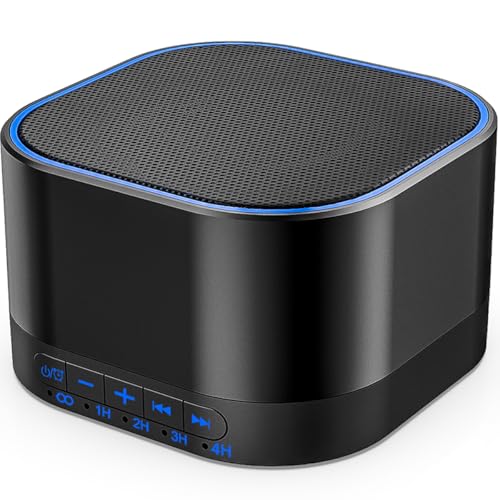
Magicteam Sound White Noise Machine with 20 Non Looping Natural Soothing Sounds and Memory Function 32 Levels of Volume Powered by AC or USB and Sleep Sound Timer Therapy for Baby Kids Adults
- ❤Notice: This sound machine needs to be plugged in for use.
- ❤20 Non-Looping Sleep Sounds: White noise ,Brown noise, pink noise, blue noise, fan,brook, rain, ocean,bird and Bonfire,suitable for for Baby and Kids and Adults.
- ❤Precise Volume & Timer Settings:With 32 Levels of Volume ,it is perfect for baby sleeping .And you can set 1 hour,2 hours,3 hours,4 hours and continuous play,control the comfort level for your own environment.
New starting from: 22.99 $
Go to Amazon
MZOO Luxury Sleep Eye Mask for Side Sleeper Men Women, Zero Eye Pressure 3D Sleeping Mask, Light Blocking Patented Design Night Blindfold, Soft Eye Shade Cover for Travel, Black
- Zero Eye Pressure: The Deepest 13mm arc-shaped widened eye cups provide makeup-safe space and allow natural blinking
- Great for Side Sleepers: Upgraded 15°-curved thin sides ensure smooth transitions with no uncomfortable bulge, minimizing temple pressure for all sleeping positions
- 100% Light Blocking: Patented contoured eye cups seal completely around each eye. Deep 22mm nose padding blocks all light leakage
List Price :
Offer: 13.99 $
Go to Amazon
Weekender Cooling Gel Memory Foam Pillow for Sleeping – Standard Size, Ventilated Cooling Pillow for Side & Back Sleepers, Neck & Shoulder Support, Medium Firm, Washable Cover
- COOLING GEL PILLOW WITH DUAL TEMPERATURE CONTROL: Gel-infused memory foam plus precision ventilation holes continuously pull heat away from your body, so this cooling pillow stays more comfortable all night than traditional foam bed pillows for sleeping.
- MEMORY FOAM SUPPORT FOR SIDE, BACK & STOMACH SLEEPERS: Medium-firm memory foam contours to your head, neck, and shoulders to relieve pressure points and support spinal alignment; ideal for side sleeper pillows, back sleepers, and stomach sleepers.
- MACHINE WASHABLE COVER – EASY BEDROOM ESSENTIAL: Soft zippered polyester cover is easy to remove and fully machine washable and dryer safe; it’s a supportive, washable pillow that keeps your bedroom fresh without extra effort.
New starting from: 29.99 $
Go to Amazon